





44.2% of patients experience nausea during the initial weeks of semaglutide treatment (Source: STEP 1 trial, Wilding et al., NEJM 2021). If you sit down to a favorite meal and feel stuffed after just three bites, your medication is working exactly as intended. GLP-1 receptor agonists fundamentally change how your body handles food. Traditional dieting advice tells you to eat more volume to feel full. That advice is now counterproductive and often physically painful. Your goal is transitioning from fighting your appetite to nourishing your metabolism with a structured meal plan. We provide a practical roadmap to manage gastrointestinal side effects while protecting your lean muscle mass.
Key Takeaways
- Semaglutide users lost an average of 15% of body weight over 68 weeks in the STEP 1 trial.
- Without sufficient protein intake and resistance training, up to 40% of weight lost on a GLP-1 can come from lean muscle tissue.
- Delayed gastric emptying requires shifting to high-density, low-volume meals to prevent mechanical nausea.
- Separating liquid intake from solid food by 30 minutes significantly reduces the sensation of being overly full.
- Clinical guidelines recommend consuming 1.2 to 1.6 grams of protein per kilogram of ideal body weight daily.
The science of the slow drain and your changing metabolism
GLP-1 medications mimic a naturally occurring hormone. They bind to receptors in your pancreas to stimulate insulin secretion and target your brain to suppress appetite. The most immediate physical change you will notice is delayed gastric emptying. Delayed gastric emptying is the physiological process where food remains in the stomach much longer before moving into the small intestine. You can read more about why you feel full faster as the medication reaches peak plasma concentration in the days after your injection.
Think of your stomach like a sink with a slow drain. Before you started the medication, the drain was wide open. Food moved through your system quickly. On a GLP-1, the drain is partially closed. This mechanism is incredibly effective for weight loss because you feel full for hours.
However, if you try to pour in a normal-sized meal, the sink overflows. This overflow creates mechanical nausea. You experience that heavy, brick-in-the-stomach feeling because the volume of food is physically stretching your stomach beyond its new capacity.
This is why gastric emptying meal timing matters deeply. By eating low-volume, high-protein micro-meals, you give the drain time to work without overwhelming your digestive system. You must shift your focus entirely to nutrient density for weight loss. Making every single bite count is the only way to meet your nutritional needs when your total daily caloric intake drops by 39% due to early satiety (Source: News-Medical, 2026). You cannot afford to fill your limited stomach capacity with empty calories.
Patients sometimes wonder whether the delivery format of their medication affects how quickly these gastric symptoms appear. The comparison between oral vs injectable semaglutide reveals meaningful differences in absorption timing that can shift the nausea window by several hours. Understanding your formulation helps you plan your meals around peak medication activity rather than being caught off guard.
Beyond the scale and why protein is your new north star
Weight loss is highly likely on these medications. Tirzepatide patients achieve superior weight loss compared to semaglutide, with clinical data showing a 20.2% reduction over 72 weeks (Source: SURMOUNT-5, JAMA 2025). But the quality of that weight loss is what determines your long-term metabolic health.
Rapid weight loss introduces a serious risk of sarcopenic obesity. Sarcopenic obesity is a condition characterized by the simultaneous loss of skeletal muscle mass and the accumulation of excess body fat. Research underscores that without resistance training and high protein intake, up to 40% of the weight you lose can be lean muscle tissue (Source: Heymsfield et al., JAMA 2026).
You must adopt a protein-first eating strategy. You eat your chicken before your broccoli. Protein acts as the essential scaffolding for your body. Without it, your system may burn muscle for energy instead of fat. This slows your basal metabolic rate and makes long-term weight maintenance significantly harder.
Clinical guidelines recommend aiming for 1.2 g/kg to 1.6 g/kg of your ideal body weight in protein every day. For a 150-pound adult, this translates to roughly 82 to 109 grams of protein daily. Hitting this target while managing a suppressed appetite requires strategy. Many patients utilize adjunct therapies to protect their muscle. Sermorelin is a synthetic peptide that stimulates the pituitary gland to naturally produce more human growth hormone for muscle recovery. Yücca pairs these therapies because preserving muscle ensures your metabolism remains strong even as your total body weight decreases. Muscle preservation on semaglutide is not optional. It is the absolute foundation of your treatment protocol and helps prevent muscle wasting.
How much protein do you need on GLP-1s?
The table below is designed to answer the common search question "how to get 100g of protein on semaglutide" with a practical reference based on goal body weight.
| Goal body weight | 1.2 g/kg daily target | 1.6 g/kg daily target |
|---|---|---|
| 120 lbs (54 kg) | 65 g | 87 g |
| 140 lbs (64 kg) | 77 g | 102 g |
| 160 lbs (73 kg) | 87 g | 117 g |
| 180 lbs (82 kg) | 98 g | 131 g |
| 200 lbs (91 kg) | 109 g | 145 g |
Low-volume, high-protein snacks that fit a GLP-1 lifestyle:
- Plain Greek yogurt (5.3 oz): 15–17 g protein
- Two hard-boiled eggs: 12 g protein
- 4 oz shredded rotisserie chicken: 36 g protein
- 4 oz cottage cheese: 14 g protein
- 1 scoop whey isolate in water: 25 g protein
- 3 oz chilled shrimp: 18 g protein
- 1 oz string cheese with 2 oz turkey slices: 14 g protein
The micro-meal protocol for your 7-day nausea-free strategy
| Days | Phase | Stomach tolerance | Food strategy |
|---|---|---|---|
| Days 1–2 | Nausea window | Very low — peak medication levels | Liquids, electrolytes, cold soft proteins (shakes, cottage cheese, bone broth) |
| Days 3–5 | Sweet spot | Moderate — medication plateau | Eggs, shredded chicken, white fish, cooked vegetables, Greek yogurt |
| Days 6–7 | Hunger return | Highest — medication trough | Calorie-dense, protein-rich meals: ground turkey, quinoa, grilled chicken |
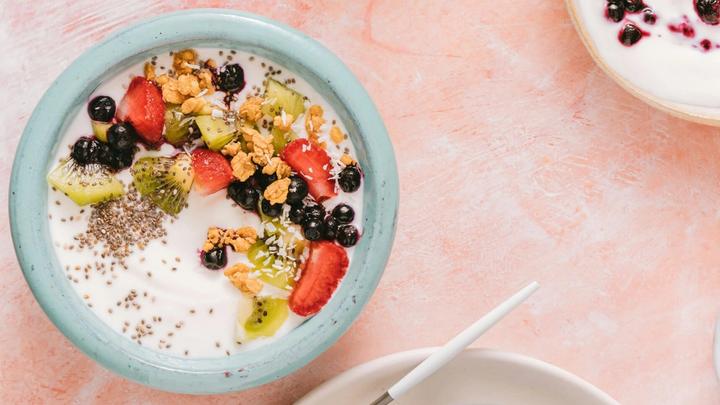
Most generic meal plans fail because they focus on what to avoid rather than explaining the volumetric math of a meal. Swapping a 12-ounce raw vegetable salad for a 4-ounce nutrient-dense Greek yogurt bowl provides more protein and takes up a third of the space in your stomach.
We designed this protocol around high-protein, low-volume foods. When nausea peaks, you need foods that are bland and cold. Hot foods release more aromatic compounds that trigger olfactory nausea. Chilled proteins like shrimp, cottage cheese, and protein smoothies are digested with far less gastrointestinal distress. Explore these nausea-friendly meal ideas to build your own menu that aligns with your medication cycle. You can also review a full breakdown of semaglutide side effects and safety considerations to understand which symptoms are expected and which warrant a call to your provider.
This 7-day rhythm toggles between nausea days and high-energy days to match the half-life of your medication.
Days one and two for the nausea window
The first 48 hours after your injection require maximum digestive rest. Focus entirely on liquids, electrolytes, and very soft proteins. For a deeper look at why nausea concentrates in this window, the semaglutide drug profile at NCBI outlines the pharmacokinetic curve that drives peak plasma concentration.
- Breakfast: One scoop of whey isolate or collagen protein blended into 8 ounces of unsweetened almond milk. Serve ice cold. Whey isolate is exceptionally easy for the stomach to process.
- Mid-morning: 16 ounces of water mixed with a high-quality electrolyte powder. This replaces essential minerals without requiring digestion.
- Lunch: 4 ounces of cold cottage cheese with a light sprinkle of sea salt. This provides casein protein that digests slowly and comfortably.
- Afternoon: 1 cup of warm bone broth. This delivers gentle protein and collagen without causing any stomach distension.
- Dinner: 3 ounces of chilled, cooked shrimp with a small spoonful of avocado. Shrimp is extremely protein-dense and lacks the heavy fat content that slows digestion.
Days three through five for the sweet spot
As the initial medication peak subsides, your stomach can handle more texture. This is the time to introduce fiber-rich, thoroughly cooked vegetables. Raw vegetables take too much energy to break down at this stage. Research published through PubMed Central consistently supports the role of dietary fiber in improving GLP-1 tolerability once the acute nausea window passes, particularly when fiber is introduced gradually in cooked form. For patients on tirzepatide specifically, the essential role of fiber for appetite management becomes especially relevant during this mid-week recovery window.
- Breakfast: Two scrambled eggs cooked in a minimal amount of olive oil. Eggs provide a complete amino acid profile in a very small physical volume.
- Mid-morning: A small serving of high-protein plain Greek yogurt.
- Lunch: 4 ounces of shredded rotisserie chicken mixed with a tablespoon of hummus, eaten without bread. Shredding the meat reduces the mechanical work your stomach must perform.
- Afternoon: A secondary protein shake or a handful of lightly salted edamame.
- Dinner: 4 ounces of baked white fish like cod or tilapia. Serve with half a cup of very soft, steamed carrots. White fish is one of the most easily tolerated solid proteins for GLP-1 patients.
Days six and seven for the hunger return
Food noise may quietly return at the end of your weekly medication cycle. Your goal is managing this returning appetite without overeating and triggering reflux. The tirzepatide drug profile describes this trough phase in detail, confirming that appetite suppression is lowest in the 24 to 48 hours before the next scheduled injection. Understanding this rhythm helps you plan your most calorie-dense and protein-rich meals for days six and seven rather than being surprised by sudden hunger.
- Breakfast: A protein-forward smoothie featuring spinach, half a frozen banana, and a scoop of protein powder.
- Lunch: 4 ounces of lean ground turkey paired with a quarter cup of cooked quinoa. Ground meats are highly recommended because they digest faster than whole steaks or chicken breasts.
- Afternoon: Sliced turkey breast wrapped around a small piece of low-fat cheese.
- Dinner: 4 ounces of grilled chicken breast and half a cup of roasted zucchini. Eat slowly to monitor your fullness cues closely.
Hydration timing is just as critical as your food choices. You must separate your water intake from your solid meals by at least 30 minutes. Drinking a large glass of water while eating fills the limited space in your stomach. This forces the food and liquid to compete for volume, leading directly to sulfur burps and severe reflux.
Hormonal considerations and metabolic health during GLP-1 treatment
Your hormonal landscape dictates how your body processes nutrition. This comprehensive GLP-1 nutrition guide applies to all patients facing complex metabolic shifts. These medications do more than suppress appetite. They actively assist in restoring hormonal balance at the cellular level for adults across the lifespan.
Many patients struggle with insulin resistance. Insulin resistance is a metabolic condition where cells fail to respond efficiently to insulin and struggle to absorb glucose from the blood. The CDC's overview of diabetes and metabolic disease provides useful context for understanding why insulin sensitivity is the central target of GLP-1 therapy. GLP-1 therapy is highly effective for this phenotype because it stabilizes blood sugar and reduces the systemic inflammation that drives metabolic dysfunction. As insulin levels stabilize, many patients find their daily energy levels become far more predictable.
Patients experiencing the hormonal shifts of perimenopause, menopause, or age-related testosterone decline face an accelerated risk of sarcopenia. Natural aging already decreases lean muscle mass. Combining this natural decline with rapid weight loss makes aggressive protein intake and resistance training mandatory. The MedlinePlus weight control resource offers a clear framework for understanding how body composition goals shift during and after significant weight loss. Protecting your skeletal muscle is your best defense against physical frailty and a permanently slowed metabolism. Many patients explore Sermorelin for its role in supporting growth hormone production during this phase of treatment, and reviewing the Sermorelin safety profile is a useful starting point before discussing it with your provider.
Fertility planning also requires careful medication management. Clinical protocols mandate a strict two-month rule. You must discontinue GLP-1 medications at least two months prior to a planned pregnancy. These treatments are not recommended during pregnancy or while breastfeeding. The FDA drug safety resource includes current communications on this contraindication for both semaglutide and tirzepatide. Always discuss your family planning timeline with your prescribing provider to ensure a safe transition off the medication.
Frequently Asked Questions
What should I eat on a 7-day GLP-1 meal plan?
A successful GLP-1 meal plan prioritizes lean proteins, electrolytes, and fiber-rich, cooked vegetables. Because the medication slows digestion, focus on high-density, low-volume foods like Greek yogurt, eggs, and white fish. Avoid fried, spicy, or high-sugar items that can trigger nausea and reflux while your body adjusts to the medication. Following this structure allows you to eat comfortably while still losing weight. You can explore the full range of GLP-1 treatment options at Yücca to find the program that best fits your metabolic profile.
How do I get enough protein on GLP-1 medications?
To hit protein goals with a suppressed appetite, use the protein-first strategy by eating your protein source before fiber or starches. Aim for 20 to 30 grams per meal. Supplementing with high-quality protein shakes, bone broth, or collagen can help you reach targets like 1.2 g/kg of body weight without feeling overfull. The USDA Dietary Guidelines provide evidence-based benchmarks for daily protein requirements that align closely with the clinical targets used in GLP-1 nutrition protocols.
What are the best foods for GLP-1 nausea?
When experiencing GLP-1-induced nausea, choose bland and cold options. Protein-rich snacks like cottage cheese, chilled tofu, or a simple protein smoothie are usually well-tolerated. Avoid heavy fats and raw, fibrous vegetables, which sit longer in the stomach. Small, frequent micro-meals are more effective than three large meals for managing daily nausea. Reviewing the tirzepatide safety information page can help you distinguish expected nausea from symptoms that require clinical attention.
Why is muscle preservation important on GLP-1s?
Rapid weight loss on GLP-1s can lead to sarcopenic obesity if you lose too much lean muscle mass. Maintaining muscle through high protein intake and resistance training is vital for metabolic health and long-term weight maintenance. Preserving muscle ensures your basal metabolic rate remains high, even as your total body weight decreases. The JAMA network has published recent work on the exercise and protein requirements specifically for GLP-1 patients that reinforces this clinical priority.
Can I drink coffee while taking semaglutide or tirzepatide?
Yes, but monitor your tolerance. Coffee can increase acidity and contribute to heartburn or nausea for some patients on GLP-1s. If coffee bothers your stomach, try cold brew, which is less acidic, or add a scoop of protein powder to buffer the acidity while helping you meet your daily protein requirements. The drugs.com semaglutide profile lists gastrointestinal irritants to monitor, which can help you identify whether your coffee habit is compounding medication-related acidity.
How much water should I drink on a GLP-1?
Hydration is critical as GLP-1s can suppress thirst signals. Aim for 80 to 100 ounces of water daily, supplemented with electrolytes. Proper hydration helps mitigate common side effects like constipation and fatigue. Avoid drinking large amounts during meals, as this can take up valuable stomach volume needed for nutrient-dense food. The MedlinePlus medicines overview includes general guidance on hydration during pharmacological treatment that is relevant for GLP-1 patients managing daily fluid balance.
Personalizing your path
Your metabolic needs are as unique as your thumbprint. While this 7-day plan provides a foundational map, working directly with a Yücca provider can help you fine-tune your nutrition to match your body's specific signals. We build long-term partnerships of care to ensure you preserve muscle and achieve lasting health. You can complete a brief health assessment at tryyucca.com to connect with a licensed clinician and review your lab results.
References
- Wilding JPH, Batterham RL, Calanna S, et al. Once-Weekly Semaglutide in Adults with Overweight or Obesity. N Engl J Med. 2021;384(11):989-1002. Available from: https://www.nejm.org/doi/full/10.1056/NEJMoa2032183
- Jastreboff AM, Aronne LJ, Ahmad NN, et al.; SURMOUNT-1 Investigators. Tirzepatide once weekly for the treatment of obesity. N Engl J Med. 2022;387(3):205-216. Available from: https://www.nejm.org/doi/full/10.1056/NEJMoa2206038
- Heymsfield SB, et al. The Conundrum of Exercise for Weight Management in the GLP-1 Era. JAMA. 2026. Available from: https://jamanetwork.com
- News-Medical. Clinical observations on caloric reduction during GLP-1 therapy. News-Medical Life Sciences. 2026. Available from: https://www.news-medical.net/
- StatPearls. Obesity Medications: Evidence-Based Management. StatPearls Publishing. 2025. Available from: https://www.ncbi.nlm.nih.gov/books/NBK580492/
- National Library of Medicine. Semaglutide [Internet]. Bethesda (MD): NCBI StatPearls; 2025 [cited 2026 May]. Available from: https://www.ncbi.nlm.nih.gov/books/NBK551568/
- National Library of Medicine. Tirzepatide [Internet]. Bethesda (MD): NCBI StatPearls; 2025 [cited 2026 May]. Available from: https://www.ncbi.nlm.nih.gov/books/NBK585056/
- U.S. Department of Agriculture and U.S. Department of Health and Human Services. Dietary Guidelines for Americans, 2020-2025 [Internet]. Washington (DC): USDA; 2020 [cited 2026 May]. Available from: https://www.dietaryguidelines.gov
- Centers for Disease Control and Prevention. Diabetes [Internet]. Atlanta (GA): CDC; 2025 [cited 2026 May]. Available from: https://www.cdc.gov/diabetes/
- U.S. Food and Drug Administration. Postmarket Drug Safety Information for Patients and Providers [Internet]. Silver Spring (MD): FDA; 2025 [cited 2026 May]. Available from: https://www.fda.gov/drugs/postmarket-drug-safety-information-patients-and-providers
- MedlinePlus. Weight Control [Internet]. Bethesda (MD): National Library of Medicine; 2025 [cited 2026 May]. Available from: https://medlineplus.gov/weightcontrol.html
- MedlinePlus. Medicines Overview [Internet]. Bethesda (MD): National Library of Medicine; 2025 [cited 2026 May]. Available from: https://medlineplus.gov/medicines.html
- Drugs.com. Semaglutide: Drug Information [Internet]. 2025 [cited 2026 May]. Available from: https://www.drugs.com/semaglutide.html
- PubMed Central. National Center for Biotechnology Information [Internet]. Bethesda (MD): National Library of Medicine; 2025 [cited 2026 May]. Available from: https://pmc.ncbi.nlm.nih.gov