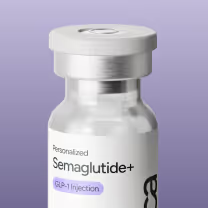





In the STEP 1 clinical trial, 4.3 percent of patients taking a 2.4 milligram dose of semaglutide experienced mood-related changes over 68 weeks, compared to 4.1 percent of those receiving a placebo (Source: Wilding et al., NEJM 2021). That difference is statistically insignificant. Yet, if you search online, you will find countless patients asking if the medication chemically alters their personality or triggers severe mental health crises. You might be experiencing this confusion yourself right now. You finally started your medication, and the constant urge to snack is entirely gone. But instead of feeling thrilled about your progress, you just feel flat, bored, or a little sad.
This is a common, temporary adjustment, not a permanent change to your personality. Changing how your brain processes rewards is a significant transition. We will explore the latest clinical safety data on mental health, the critical difference between losing food as a coping mechanism and chemical depression, and how to safely navigate this transition. Understanding semaglutide depression risks starts with looking objectively at what happens to your brain when the mental chatter about food suddenly stops.
Key Takeaways
- Recent 2026 data from the U.S. Food and Drug Administration shows no causal link between GLP-1 medications and suicidal ideation or clinical depression.
- Losing the constant mental chatter about food can trigger a temporary loss of pleasure known as anhedonia.
- Semaglutide delays stomach emptying, a mechanical shift that can alter how fast your daily oral psychiatric medications absorb into your system.
- Severe calorie deficits and dehydration often mimic the physical symptoms of a depressive episode during your first month of treatment.
Does Semaglutide Cause Depression?
Patients frequently ask if their medication is chemically inducing a depressive disorder. Semaglutide is a GLP-1 receptor agonist, a class of medications that mimic a natural gut hormone to signal fullness and slow digestion. While its primary job is regulating metabolic function in the body, the medication also crosses the blood-brain barrier.
Once inside the brain, the medication interacts directly with the mesolimbic dopamine pathway, the neural network responsible for processing pleasure, reward, and reinforcement. For many individuals struggling with metabolic health, this reward center has been hyper-stimulated for years by the anticipation and consumption of highly palatable, energy-dense foods. This constant background mental chatter is commonly called "food noise."
When you take semaglutide, the medication dampens those rapid dopamine spikes. The brain still registers satisfaction when you eat, but the compulsive urge to seek out food for a quick chemical reward fades away entirely. Many patients wonder, does semaglutide block dopamine? It does not block the chemical completely, but it acts like a volume knob, turning down the loud, intrusive cravings in your brain.
Because your brain is accustomed to relying on food for an immediate dopamine hit, the sudden silence can feel incredibly jarring. Without those frequent chemical spikes, you might experience temporary anhedonia, a psychological condition characterized by a reduced ability to feel pleasure. This state of emotional flatness is essentially a dopamine deficit. You are no longer getting a mood boost from a late-night snack, a celebratory dinner, or a favorite sugary beverage.
This transition is frequently mistaken for clinical depression. However, it is more accurately described as a behavioral grieving process. Your brain is adjusting to a brand new dopamine baseline. If you previously relied on food as a primary coping mechanism for stress, exhaustion, or boredom, removing that outlet leaves a temporary void. The medication is not chemically destroying your ability to feel joy.
Instead, it is shifting your neural framework from compulsive reward-seeking to a homeostatic balance. As your brain adapts to this quieter environment, the emotional flatness typically resolves. You simply have to teach your reward centers how to find pleasure in non-food activities again. People searching for a link between semaglutide and anhedonia often find immense relief in knowing this psychological transition is a well-documented phase of metabolic recovery, not a permanent psychiatric disorder.
For a complete overview of the medication's pharmacology, including how it interacts with central nervous system receptors, the semaglutide drug profile on NCBI provides a rigorous clinical reference. You can also review Yucca's semaglutide safety information for a patient-focused summary of known risks, contraindications, and monitoring considerations.
What Clinical Data Shows About the FDA and EMA 2026 Updates
The conversation around the Ozempic depression risk reached a peak in recent years, prompting global regulatory agencies to investigate patient reports. In January 2026, the U.S. Food and Drug Administration issued an official drug safety action requesting that manufacturers completely remove suicidal ideation warnings from GLP-1 weight-management labels.
This landmark decision followed a rigorous evaluation of over 2.2 million patient health records utilizing the Sentinel System database, alongside a meta-analysis of 91 double-blind, placebo-controlled clinical trials (Source: FDA Drug Safety Communication, 2026). The massive volume of data confirmed there is zero causal relationship between the medication and elevated psychiatric risks, new-onset anxiety, or suicidal behavior.
Long-term safety reviews validate these findings. The SUSTAIN 6 trial evaluated 3,297 patients over 104 weeks and found no statistical divergence for new-onset depression or mood disorders in patients taking the medication compared to those taking a placebo (Source: Nissen et al., NEJM 2016).
In fact, a massive retrospective analysis published in Nature Medicine compared semaglutide directly against other anti-obesity and anti-diabetes medications. The researchers found that patients taking semaglutide actually had a 56 to 73 percent lower risk for incident, or first-time, suicidal ideation over a six-month period compared to patients on non-GLP-1 therapies (Source: Wang et al., Nature Medicine 2024).
The table below summarizes the key findings from the two most significant regulatory reviews completed to date.
| Review | Agency | Data scope | Key finding |
|---|---|---|---|
| FDA Sentinel meta-analysis, Jan 2026 | U.S. FDA | 2.2 million patient records, 91 RCTs | No causal link between GLP-1 use and suicidal ideation or clinical depression |
| EMA PRAC safety review, 2024 | European Medicines Agency | Pharmacovigilance database, post-market surveillance | No confirmed association between GLP-1 receptor agonists and suicidal or self-injurious behavior |
Despite this reassuring clinical data, patients still regularly ask, can semaglutide cause depression or anxiety? If the medication does not directly cause depression, why do some patients report feeling hopeless, lethargic, and tearful? The answer often lies in physical exhaustion rather than a psychiatric crisis.
This phenomenon is known as starvation mimicry.
During the first few weeks of treatment, or immediately following a dose escalation, many patients experience intense appetite suppression and mild nausea. It is incredibly common for patients to unintentionally drop their daily intake to 700 or 800 calories. Operating in a massive, sudden caloric deficit rapidly depletes your body of energy, essential electrolytes, and blood sugar.
Hypoglycemia, a medical term for low blood sugar, independently triggers acute anxiety, cold sweats, and irritability.
When you are starving and dehydrated, your body shuts down non-essential functions to conserve energy. You will feel heavy, unmotivated, and prone to sudden crying spells. You might find yourself snapping at loved ones or feeling completely overwhelmed by minor daily tasks. These physical symptoms perfectly mimic a major depressive episode. Patients often assume the medication is negatively altering their brain chemistry, when in reality, their body is simply reacting to severe malnourishment.
Differentiating between true clinical depression and this physical energy crash is a critical step in managing your overall health during treatment. The FDA warning on GLP-1 suicidal ideation updates confirm that your brain is safe, but you must actively fuel your body to protect your mood. You can review all semaglutide side effects and safety considerations in Yucca's dedicated safety reference before or during your treatment.
How to Cope with Mood Changes When Food Noise Disappears
Managing the semaglutide side effects mood transition requires active behavioral adjustments. You cannot simply wait for the flat feeling to disappear. You must proactively support your physical and mental health as your body adapts to its new metabolic reality.
Your first priority is addressing potential starvation mimicry. You must prioritize nutrient-dense calories, aggressive hydration, and daily electrolytes. Even when you have absolutely zero appetite, aim for small, frequent sources of lean protein and complex carbohydrates to stabilize your blood sugar. The USDA Dietary Guidelines offer evidence-based macronutrient targets that can help you build a minimum viable eating plan during low-appetite phases. When your physical energy is stable, it becomes much easier to evaluate your true mental state. You can learn more about how to manage physical side effects like nausea to prevent these severe caloric deficits from occurring in the first place.
Next, you need to actively rebuild your dopamine baseline. Because you can no longer rely on hyper-palatable foods for a quick rush of pleasure, you have to wake up your brain's reward centers through other channels. Intentional investment in non-food hobbies is essential. Activities like weightlifting, walking outside, listening to music, or engaging in a creative outlet provide slow, sustainable dopamine releases. The CDC's physical activity resources outline how even moderate movement directly supports dopamine regulation and mood stability.
Building these new habits helps your brain transition out of the initial grieving phase. Feeling depressed after stopping food noise is incredibly common, but intentionally building new dopamine pathways accelerates your recovery time.
If you are currently taking medication for your mental health, there is an important physiological interaction to monitor carefully.
Semaglutide causes delayed gastric emptying, a process where the stomach slows down the rate it passes food and oral medications into the intestines. Because your stomach empties slower, oral psychiatric medications like daily antidepressants or anti-anxiety pills may absorb at a very different rate. This altered absorption timeline delays the peak concentration of the drug in your bloodstream. This mechanical shift can occasionally cause a brief destabilization in your mood or trigger Wegovy anxiety side effects as your body adjusts to the new timing. For a deeper look at how Wegovy's pharmacology affects absorption timing, drugs.com provides a thorough prescribing summary.
You should never stop taking your psychiatric medications or alter your dose without professional medical supervision. Instead, track your daily moods and communicate closely with your prescribing provider. If you experience persistent sadness, a complete inability to function, or thoughts of self-harm that extend beyond physical fatigue, you must contact your clinical team immediately. Understanding how semaglutide impacts reward pathways helps you identify the difference between a temporary medication adjustment and a serious mental health concern requiring intervention.
How to cope: a practical checklist
- Eat a minimum of three small, protein-forward meals daily, even without hunger cues.
- Track water intake and aim for at least 64 ounces of fluids daily.
- Take a daily electrolyte supplement to prevent dehydration-driven mood crashes.
- Schedule one non-food dopamine activity per day, such as a 20-minute walk, a creative hobby, or a social call.
- Log your mood daily using a simple one-to-ten scale to identify patterns before your next provider check-in.
- Notify your prescribing provider immediately if you also take oral psychiatric medications, as dose timing may need adjustment.
- Contact your clinical team if emotional flatness persists beyond four weeks or worsens over time.
Hormonal Considerations and GLP-1 Mood Shifts
Hormonal transitions can significantly amplify how your body responds to metabolic treatments. Understanding these life-stage interactions can help you predict and manage unexpected mood swings. Can semaglutide cause mood swings during specific hormonal windows? The clinical evidence suggests that baseline hormone levels play a major role in your daily dopamine production and overall emotional stability.
During perimenopause and menopause, natural estrogen drops cause a baseline decline in dopamine receptors. Patients entering this transition who start a GLP-1 therapy may experience a much more pronounced sense of flatness initially. Two distinct biological pathways that regulate mood and reward are shifting simultaneously.
This double hit can make the first few weeks of treatment feel unusually challenging. It is important to remember that this overlapping transition is temporary, and your mood will often stabilize as your metabolic health improves.
Conversely, patients with polycystic ovary syndrome often experience higher rates of baseline anxiety and depressive disorders driven by severe insulin resistance. Clinical data shows that when the medication normalizes metabolic biomarkers in these patients, their baseline hormonal anxiety often improves significantly over a six-month timeframe. The medication helps heal the underlying metabolic distress, which in turn supports a much more stable, consistent mood. Research indexed on PubMed continues to explore these hormonal intersections as GLP-1 adoption expands across diverse patient populations.
For patients planning to build a family, the regulatory guidelines are incredibly strict. The medication is absolutely contraindicated during pregnancy due to risks of embryofetal toxicity. Because the drug has a long half-life of roughly seven days, patients must stop taking it at least eight weeks before attempting to conceive. If you become pregnant while taking the medication, you must discontinue it immediately and consult your healthcare provider. You can verify these contraindication details against the official semaglutide drug information profile or speak directly with a Yucca clinician. Preparing for the first month emotional transitions involves looking closely at your current hormonal landscape and setting realistic, science-backed expectations for your daily mood.
Frequently Asked Questions
Can semaglutide cause depression or mood changes?
Clinical studies do not show a direct, causal link between semaglutide and depression. However, some patients report temporary mood changes or emotional shifts. This is frequently linked to the psychological adjustment of losing "food noise" and food-related dopamine rewards, rather than a chemical imbalance caused by the medication itself.
What does the FDA say about semaglutide and suicidal thoughts?
Following a rigorous evaluation of over 2.2 million patient records and 91 clinical trials, the FDA updated its stance in January 2026. The agency found no evidence that GLP-1 medications increase the risk of suicidal ideation or behavior, subsequently requesting manufacturers remove these warning labels from obesity treatments.
Why do I feel sad or flat after starting semaglutide?
Semaglutide reduces cravings by dampening reward pathways in the brain. If you previously relied on food as a primary source of dopamine or a coping mechanism for stress, losing that "food noise" can cause temporary anhedonia. This flat feeling is a temporary loss of pleasure as you build new habits.
Does semaglutide cross the blood-brain barrier to alter mood?
Semaglutide does interact with specific receptors in the brain's hypothalamus and hindbrain to regulate appetite and fullness. While it influences reward centers to reduce food cravings, comprehensive regulatory reviews confirm it does not chemically trigger clinical depression, anxiety, or acute psychiatric adverse events.
What is the difference between anhedonia and clinical depression on GLP-1s?
Clinical depression involves persistent sadness, low self-worth, and sleep disturbances. Anhedonia on GLP-1s is specifically a reduced ability to experience pleasure from highly palatable foods. This shift can feel like sadness but is typically a behavioral transition that resolves as patients build new, non-food dopamine habits.
How does Yucca Health screen patients for mental health safety?
Yucca Health prioritizes patient safety by utilizing a comprehensive clinical intake process. Every prospective patient is screened using validated mental health assessments, such as the PHQ-9 for depression. Our clinical providers evaluate these medical histories thoroughly before approving or prescribing any compounded semaglutide treatment plans. To learn more about how our intake process works, visit our how-it-works page.
You do not have to navigate the emotional transitions of weight loss in isolation. A safe compounded semaglutide safety profile relies on proactive monitoring and expert clinical guidance. If you are wondering whether this treatment could be part of your health journey, a licensed Yucca provider can walk you through whether it fits your overall goals. You can complete a comprehensive health assessment at tryyucca.com and hear back from a real clinician to build a personalized, carefully monitored care plan.
This article is for informational purposes only and does not constitute medical advice. Always consult a qualified healthcare provider before starting any new medication or treatment. Results may vary. Compounded semaglutide and compounded tirzepatide have not been approved or evaluated by the FDA for any indication.
References
- Wilding JPH, Batterham RL, Calanna S, et al. Once-Weekly Semaglutide in Adults with Overweight or Obesity. N Engl J Med. 2021;384(11):989-1002. Available from: https://www.nejm.org
- Nissen SE, Eberly LE, Ferrannini E, et al. Cardiovascular Outcomes with Semaglutide in Patients with Type 2 Diabetes (SUSTAIN-6). N Engl J Med. 2016;375(19):1834-1844. Available from: https://www.nejm.org
- U.S. Food and Drug Administration. FDA Requests Removal of Suicidal Behavior and Ideation Warning from Glucagon-Like Peptide-1 Receptor Agonist (GLP-1 RA) Medications [Internet]. Silver Spring (MD): FDA; 2026 [cited 2026 May 19]. Available from: https://www.fda.gov/drugs/postmarket-drug-safety-information-patients-and-providers
- Wang W, Volkow ND, Berger NA, et al. Association of semaglutide with risk of suicidal ideation in a real-world cohort. Nat Med. 2024;30(1):168-176. Available from: https://pubmed.ncbi.nlm.nih.gov
- National Center for Biotechnology Information. Semaglutide. In: StatPearls [Internet]. Bethesda (MD): National Library of Medicine; 2024 [cited 2026 May 19]. Available from: https://www.ncbi.nlm.nih.gov/books/NBK551568/
- U.S. Food and Drug Administration. Postmarket Drug Safety Information for Patients and Providers [Internet]. Silver Spring (MD): FDA; 2026 [cited 2026 May 19]. Available from: https://www.fda.gov/drugs/postmarket-drug-safety-information-patients-and-providers
- U.S. Department of Agriculture and U.S. Department of Health and Human Services. Dietary Guidelines for Americans, 2020-2025 [Internet]. Washington (DC): USDA; 2020 [cited 2026 May 19]. Available from: https://www.dietaryguidelines.gov
- Centers for Disease Control and Prevention. Adult Obesity Facts [Internet]. Atlanta (GA): CDC; 2024 [cited 2026 May 19]. Available from: https://www.cdc.gov/obesity/index.html
- MedlinePlus. Diabetes [Internet]. Bethesda (MD): National Library of Medicine; 2024 [cited 2026 May 19]. Available from: https://medlineplus.gov/diabetes.html
- Drugs.com. Semaglutide: Drug Information [Internet]. 2024 [cited 2026 May 19]. Available from: https://www.drugs.com/semaglutide.html
- Drugs.com. Wegovy (semaglutide): Drug Information [Internet]. 2024 [cited 2026 May 19]. Available from: https://www.drugs.com/wegovy.html