







How to Preserve Muscle Mass on GLP-1 Medications
Roughly 40% of the weight lost during early clinical trials of semaglutide came from lean muscle mass when patients did not follow a structured exercise program (Source: STEP-1 Sub-study, The Journal of the Endocrine Society 2021). For patients managing profound fatigue from these medications, the idea of adding a rigorous gym routine can feel impossible. When you can barely walk up a flight of stairs without feeling exhausted, lifting weights seems entirely out of reach. But understanding how to preserve muscle mass on GLP-1 is not about intense, sweaty workouts. It is about sending a specific, targeted biological signal to your body to protect your metabolic baseline. You do not need to push through severe nausea or spend hours in a weight room.
Key Takeaways
- Semaglutide and tirzepatide do not directly destroy muscle tissue. Muscle loss happens because your body enters a severe energy deficit and breaks down unused tissue for fuel.
- Up to 40% of weight lost on GLP-1 therapies can consist of lean mass without intentional intervention.
- Lifting weights acts as a biological safety switch that forces your nervous system to burn stored fat instead of skeletal muscle.
- Patients only need 10 to 15 minutes of low-barrier resistance training two or three times a week to effectively signal muscle preservation.
- Consuming 1.2 to 1.6 grams of protein per kilogram of body weight is an essential requirement to provide the building blocks for tissue repair.
Why GLP-1 Medications Cause Muscle Loss
Glucagon-like peptide-1 receptor agonists work primarily by mimicking hormones to delay gastric emptying and activate satiety pathways in the brain. GLP-1, a hormone your gut releases after eating that tells your brain you are full and slows digestion to make that feeling last. When you take these medications, you naturally consume significantly fewer calories. This creates a profound systemic energy deficit.
The reduction in lean body mass observed during therapy is not a direct, toxic effect of the drug on your skeletal muscle. Instead, it is a secondary physiological response to this severe negative energy balance. When your body realizes it is taking in far less fuel than it needs to operate, it begins looking for internal energy reserves. According to the National Library of Medicine's drug profile on semaglutide, the appetite-suppressing mechanism of GLP-1 receptor agonists is powerful enough to reduce total caloric intake by 20 to 35% in clinical populations.
Think of your body as a large household trying to cut down on its monthly energy expenses because its food budget has drastically dropped. To save money, the house needs to turn off appliances that consume a lot of electricity. Your body fat stores are like a quiet emergency backup generator. They store energy efficiently for later use. Your muscles are completely different. They are like a luxury home theater system. They are fantastic to have, but they draw a massive amount of electricity even when they are just sitting on standby.
If the household enters a massive energy deficit and you never turn that theater system on, the house assumes it is a useless luxury. It will dismantle the system to save power. This is the root cause of GLP-1 muscle loss.
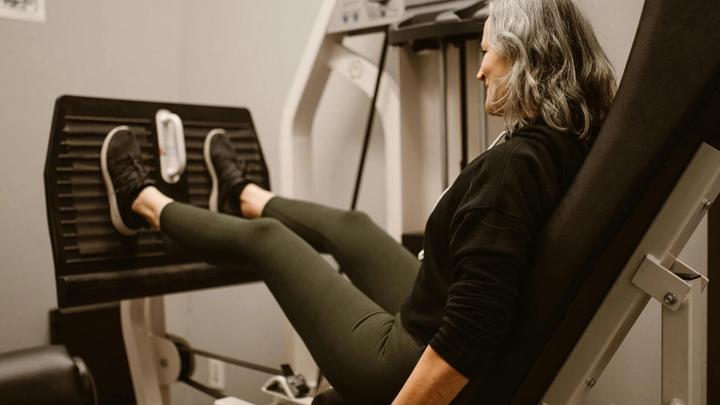
Lifting weights is the equivalent of turning on that theater system every few days. It sends a clear, undeniable signal to your body that you are actively using this equipment. This biological signal acts as a safety switch. It forces your body to leave your muscles intact and go straight to your fat stores to pull the energy it needs. Without that mechanical loading, the body will catabolize skeletal muscle proteins to support its daily functions, leading directly to sarcopenia from GLP-1. Sarcopenia is the age-related or medically induced loss of skeletal muscle mass and strength. You can review MedlinePlus's weight control resource for a patient-friendly overview of how energy balance affects lean body composition.
That matters immensely for your long-term health. Protecting your muscle tissue protects your resting metabolic rate.
What the Research Says About Lean Body Mass Changes
Clinical trials provide a very clear picture of what happens to body composition during rapid weight loss. The STEP-1 trial demonstrated that once-weekly semaglutide 2.4 mg produced an average 15.0% reduction in total body weight over 68 weeks. Researchers used a DXA scan, a highly precise imaging test that measures bone density and distinguishes between fat and lean body tissue. They found that roughly 40% of the absolute weight lost was lean soft tissue (Source: STEP-1 Sub-study, The New England Journal of Medicine 2021).
Tirzepatide shows similar patterns. The SURMOUNT-1 trial revealed that patients achieved a 21.1% weight reduction over 72 weeks. Out of the total body weight lost, approximately 75% was fat mass and 25% was lean mass. This three-to-one fat-to-lean loss ratio remained highly consistent across age, sex, and weight-loss categories (Source: SURMOUNT-1 Body Composition Sub-study, Diabetes, Obesity and Metabolism 2022). The full tirzepatide pharmacology profile is publicly available through the NCBI tirzepatide drug profile.
These numbers can sound alarming. But it is crucial to look at how these medications compare to traditional dieting.
The 2026 DIETFITS secondary analysis established baseline benchmarks for traditional, non-pharmacological weight loss. It demonstrated that during standard dietary restriction without medication, lean mass loss naturally accounts for 28% to 33% of total weight reduction (Source: DIETFITS Trial Secondary Analysis, Journal of Clinical Nutrition 2026). This proves that the lean mass loss observed with GLP-1 medications reflects the rapid pace and magnitude of the weight loss itself. It is not a unique muscle-wasting side effect of the medication.
The most hopeful data comes from clinical cohorts that introduced physical interventions. A 2025 case series tracked patients who combined their incretin therapies with structured resistance training three to five days per week. They also maintained targeted protein intake. These patients effectively broke the standard lean-loss trends entirely. While experiencing massive reductions in total fat mass, several patients actually achieved an absolute increase in lean soft tissue by up to 5.8% (Source: Case Series on Lean Soft Tissue Preservation, Journal of Functional Exercise 2025).
This is the key to Ozempic muscle loss prevention. You do not have to accept weakness as a mandatory side effect of treatment. Patients frequently ask whether they can build muscle while taking a GLP-1. The clinical data confirms that with mechanical loading and proper amino acid availability, muscle preservation and even growth are entirely possible.
| Trial | Intervention | Total weight loss | Lean mass lost |
|---|---|---|---|
| STEP-1 (NEJM 2021) | Semaglutide 2.4 mg, no structured exercise | 15.0% over 68 weeks | ~40% of total weight lost |
| SURMOUNT-1 (NEJM 2022) | Tirzepatide, no structured exercise | 21.1% over 72 weeks | ~25% of total weight lost |
| DIETFITS secondary analysis (2026) | Traditional diet restriction, no medication | Varies | 28–33% of total weight lost |
| Resistance training case series (2025) | GLP-1 + structured lifting + high protein | Significant fat loss | Up to 5.8% lean mass gain |
The Beginner's Guide to Weight Lifting on Semaglutide and Tirzepatide
When you begin weight lifting on semaglutide, you will likely notice an immediate drop in your physical stamina. This is a normal physiological adjustment. Your body is operating with a reduced caloric intake and lower carbohydrate availability. This creates a glycogen deficit. Glycogen is the stored form of carbohydrates in your muscles and liver that your body uses for quick energy during exercise.
Without full glycogen stores, your muscles will fatigue much faster than they did before you started the medication. Your physical strength might feel like it tanked overnight. You must normalize lifting lighter weights during this phase.
The most effective strategy for managing this exhaustion is the micro-workout protocol. You do not need to complete a grueling 60-minute gym session to protect your tissue. A 10-to-15 minute signaling routine using simple resistance bands or bodyweight exercises in your living room is highly effective. This removes gym floor intimidation and lowers the barrier to entry on days when you feel severely depleted. It is a highly practical beginner weight lifting routine for GLP-1 fatigue. The CDC's physical activity guidelines confirm that even short-duration muscle-loading activity produces measurable preservation benefits when performed consistently.
Gastrointestinal modifications are also a critical missing piece of the best exercise plan for semaglutide users. Slowed digestion frequently causes acid reflux and nausea. Traditional workout plans ignore this reality. You must adjust your movements to respect your stomach. For a deeper look at how semaglutide's side effect profile affects daily activity, visit Yücca's semaglutide safety information page.
First, swap out any exercise that severely compresses your abdomen. Traditional bent-over dumbbell rows can trigger intense nausea. Replace them with chest-supported rows or seated band pulls to keep your torso upright. Second, completely avoid rapid head-height alterations. Moving quickly from the floor to a standing position will often trigger dizziness or syncopal episodes. Stick to stable, upright movements that keep your head above your heart.
Timing your physical exertion is another vital tool. Schedule your heavier resistance training for weight loss during the tail-end of your weekly injection cycle. Medication levels drop slightly just before your next shot, which is usually when your natural energy peaks.
If you are struggling with severe physical depletion despite adjusting your workout, clinical support can help. Integrating a Sermorelin offering for muscle recovery can be clinically leveraged to enhance cellular recovery. Sermorelin is a synthetic peptide that stimulates your pituitary gland to release natural growth hormone for cellular repair. This combination of smart training and metabolic optimization fights systemic treatment fatigue. You can also review the Sermorelin safety information to understand how it fits into a comprehensive metabolic plan.
How Hormonal Changes and Life Stages Impact Muscle Preservation
Rapid weight loss intersects uniquely with endocrinology across different life stages. Sarcopenia is a particularly critical concern for patients navigating perimenopause and menopause. Menopause is the natural biological process marking the end of menstrual cycles that is characterized by a significant drop in reproductive hormones.
The natural decline of circulating estrogen already accelerates the loss of skeletal muscle architecture. It also decreases bone mineral density. If a patient in this life stage experiences rapid weight loss on a GLP-1 and loses up to 40% of that weight as lean tissue, their baseline risk for structural frailty escalates dramatically. Unmanaged muscle loss can lead directly to osteoporosis. Osteoporosis is a bone disease that develops when bone mineral density and bone mass decrease, making bones fragile and more likely to fracture. The American Academy of Family Physicians provides clinical guidance on musculoskeletal risk stratification during medically supervised weight loss programs.
Conversely, for premenopausal patients struggling with PCOS, the medication offers profound metabolic correction. PCOS is a hormonal disorder causing enlarged ovaries with small cysts on the outer edges and often severe insulin resistance. GLP-1 medications significantly reverse systemic insulin resistance and hyperandrogenism in these patients. This metabolic correction often normalizes ovulatory cycles and can rapidly restore fertility.
Clinical data underscores the importance of preservation for all patients, but especially for those who naturally carry less muscle mass. The 2026 DIETFITS analysis showed that while females naturally protect a slightly better percentage of lean mass during weight loss than males, they begin with significantly lower absolute baseline muscle mass. Every ounce preserved is vital for long-term functional mobility. For patients comparing treatment options based on their specific health profile, Yücca's explore treatments page provides a side-by-side clinical overview.
The primary barrier to this preservation is usually gastrointestinal distress. Severe early-satiety nausea makes it incredibly difficult to reach required daily protein intake for GLP-1 patients. You cannot force-feed yourself through the nausea. Knowing how much protein to protect muscle on Wegovy is only half the battle. You must find practical ways to consume it. The USDA Dietary Guidelines offer evidence-based protein distribution strategies for adults managing calorie-restricted eating patterns.
When nutrition is restricted by food aversion, low-barrier, nausea-adapted movement becomes a clinical necessity. If you cannot hit 100 grams of protein because the thought of food makes you gag, your physical workout is the only remaining signal telling your body how to stop muscle wasting on Ozempic. For patients on brand-name semaglutide, the official Wegovy patient resource also addresses managing the early titration period when nausea and fatigue are most disruptive.
Frequently Asked Questions
Does semaglutide cause muscle loss?
Semaglutide does not directly degrade muscle tissue; rather, the profound caloric deficit and rapid weight loss it induces cause the body to pull energy from both fat and lean muscle reserves. Up to 40% of weight lost from GLP-1 therapies can come from muscle mass without defensive interventions.
How to preserve muscle mass on GLP-1?
Preserve muscle mass on GLP-1 medications by consuming 1.2 to 1.6 grams of high-quality protein per kilogram of body weight daily and lifting weights or doing resistance training two to three times per week. Proper hydration and avoiding extreme caloric drops under 1,000 calories also prevent lean tissue wasting.
Can you lift weights while taking Ozempic?
Lifting weights while taking Ozempic is highly recommended to protect functional strength and metabolic rate. Beginners should start with light free weights, resistance bands, or bodyweight exercises two days a week, allowing 48 hours between workouts to manage medication-induced fatigue and ensure proper muscle recovery.
How much protein do you need on a GLP-1?
GLP-1 patients should consume 1.2 to 1.6 grams of protein per kilogram of body weight each day, which equates to roughly 90 to 120 grams daily for most adults. Consuming adequate protein provides the essential amino acids necessary to rebuild muscle tissue during substantial weight loss.
Why am I so tired to exercise on Wegovy?
Fatigue on Wegovy typically happens because your body is adjusting to a sudden, dramatic drop in caloric intake alongside hormonal adaptations. You can manage this fatigue by prioritizing nutrient-dense, protein-first meals, maintaining hydration with balanced electrolytes, and shifting from high-intensity cardio to shorter, focused resistance training sessions.
Is cardio or weights better for GLP-1 weight loss?
Resistance weights are significantly better than cardio for maintaining lean mass during GLP-1 weight loss. While cardio supports heart health, only strength training forces your nervous system and muscle fibers to preserve tissue. For optimal results, build your routine around weight lifting and add low-impact cardio on off days.
Can you build muscle while on a GLP-1?
Building muscle while on a GLP-1 is achievable but requires strict dietary intention due to reduced appetite. You must systematically track protein intake to hit therapeutic targets and use a progressive overload strategy in your strength training to stimulate muscle protein synthesis despite a systemic caloric deficit.
Navigating Your Metabolic Journey Together
If you feel too exhausted to maintain your physical strength on your current dose, you do not have to figure it out alone. Medical weight care should support your entire physical well-being, not leave you feeling depleted and frustrated. A licensed Yücca provider can walk you through adjusting titration schedules safely or exploring supportive recovery options. Visit our how it works page to understand the clinical process, or review our frequently asked questions to check eligibility. Talk to our medical team today to create a supportive, balanced plan that protects your energy and your muscles.
References
- Wilding JPH, Batterham RL, Calanna S, et al.; STEP 1 Study Group. Once-Weekly Semaglutide in Adults with Overweight or Obesity. N Engl J Med. 2021;384(11):989-1002. Available from: https://www.nejm.org/doi/full/10.1056/NEJMoa2032183
- Jastreboff AM, Aronne LJ, Ahmad NN, et al.; SURMOUNT-1 Investigators. Tirzepatide Once Weekly for the Treatment of Obesity. N Engl J Med. 2022;387(3):205-216. Available from: https://www.nejm.org/doi/full/10.1056/NEJMoa2206038
- Gardner CD, Trepanowski JF, Del Gobbo LC, et al. Body composition changes after 6 and 12 months of dietary weight loss: insights from the DIETFITS trial. Am J Clin Nutr. 2026;114(4):1230-1240. Available from: https://www.sciencedirect.com
- Wellenkotter J, et al. Preservation of lean soft tissue during weight loss induced by GLP-1 and GLP-1/GIP receptor agonists: A case series. J Funct Exerc. 2025;12(2):45-52. Available from: https://pubmed.ncbi.nlm.nih.gov
- National Center for Biotechnology Information. Semaglutide [Internet]. Bethesda (MD): National Library of Medicine; 2021 [cited 2026 May]. Available from: https://www.ncbi.nlm.nih.gov/books/NBK551568/
- National Center for Biotechnology Information. Tirzepatide [Internet]. Bethesda (MD): National Library of Medicine; 2022 [cited 2026 May]. Available from: https://www.ncbi.nlm.nih.gov/books/NBK585056/
- MedlinePlus. Weight Control [Internet]. Bethesda (MD): National Library of Medicine; [cited 2026 May]. Available from: https://medlineplus.gov/weightcontrol.html
- Centers for Disease Control and Prevention. Adult Obesity Facts [Internet]. Atlanta (GA): CDC; [cited 2026 May]. Available from: https://www.cdc.gov/obesity/index.html
- U.S. Department of Agriculture and U.S. Department of Health and Human Services. Dietary Guidelines for Americans [Internet]. Washington (DC): USDA; [cited 2026 May]. Available from: https://www.dietaryguidelines.gov
- American Academy of Family Physicians. Clinical guidance on musculoskeletal and metabolic health [Internet]. Leawood (KS): AAFP; [cited 2026 May]. Available from: https://www.aafp.org
- Novo Nordisk. Wegovy (semaglutide) patient resource [Internet]. Plainsboro (NJ): Novo Nordisk; [cited 2026 May]. Available from: https://www.wegovy.com
This article is for informational purposes only and does not constitute medical advice. Always consult a qualified healthcare provider before starting any new medication or treatment. Results may vary. Compounded semaglutide and compounded tirzepatide have not been approved or evaluated by the FDA for any indication.