





Gastrointestinal adverse events like nausea are reported by 84.1% of patients starting semaglutide 2.4 mg (Source: STEP 1 GI Tolerability Analysis, Wharton et al., 2022). Starting this medication changes how your body handles food almost overnight. The classic peak on day two often makes eating even a small meal feel like a heavy weight sitting in your stomach. It is completely normal to experience a temporary loss of joy around food. This shift does not mean you have to endure constant discomfort or survive on a restrictive, flavorless diet. Reframing your daily nutrition as an act of addition helps you crowd in essential nutrients rather than focusing constantly on deprivation. This flexible guide provides a science-backed framework to protect your muscle mass and minimize compounded semaglutide side effects. You will learn exactly what to eat on semaglutide to feel energized and comfortable every single day.
Key Takeaways
- Patients on GLP-1 medications who do not manage their nutrition can lose up to 39% of their weight as lean muscle mass rather than fat (Source: STEP 1 DXA Sub-study, Wilding et al., 2021).
- The medical consensus mandates a target of 1.2 to 1.6 grams of protein per kilogram of body weight daily to prevent profound muscle wasting.
- Gastrointestinal side effects typically peak during the first few days after an injection and can be managed effectively by adopting a structured weekly nutrition cycle.
- Consuming small, frequent meals and separating your liquid intake from solid food are the most effective daily habits to prevent acute nausea.
How compounded semaglutide changes your digestion
Semaglutide belongs to a class of medications called GLP-1 receptor agonists, synthetic versions of a naturally occurring hormone that regulates appetite and blood sugar. When you take this medication, it crosses the blood-brain barrier to target the appetite control center in your hypothalamus. This selectively stimulates satiety pathways while suppressing the signals that make you feel intensely hungry.
The medication also induces a process called delayed gastric emptying, a physiological response where food remains in your stomach for a significantly longer period before moving into the small intestine. You can think of your stomach as a highly popular restaurant. Before starting compounded semaglutide, the kitchen turns tables over rapidly. Food moves in and out quickly, meaning you feel empty and hungry again shortly after eating. When you take this medication, it acts like a thoughtful host who intentionally slows down the seating pace. Food remains in your stomach longer, sending continuous signals to your brain that you are completely satisfied.
Because your stomach is operating at this slower, deliberate pace, you cannot flood it with heavy meals without causing a severe digestive backlog. Packing it with greasy, high-volume, or highly processed foods creates a massive traffic jam at the front door. This exact physical backup is what triggers adverse gastrointestinal symptoms.
In clinical studies, nearly half of all patients experienced some form of nausea during the initial weeks of treatment (Source: STEP 1 GI Tolerability Analysis, Wharton et al., 2022).
The premature fullness you feel is not a personal failure to finish a meal. It is simply the compound successfully working to manage your appetite. By understanding this core mechanism, you can adjust your plate to minimize discomfort. Sending high-quality, easily digestible foods into your system keeps your digestion smooth and comfortable throughout the week.
The science of a high protein GLP-1 diet for muscle protection
Dropping weight rapidly on a medication like compounded semaglutide fundamentally changes your overall body composition. The primary goal is to lose fat, but without targeted nutritional management, your body will readily burn through skeletal muscle. A landmark clinical trial revealed that up to 39% of the total weight lost on semaglutide consisted of lean body mass when protein intake was unmonitored (Source: STEP 1 DXA Sub-study, Wilding et al., 2021).
That is a profound physical shift that can permanently alter your metabolic health. Losing significant lean muscle reduces your resting metabolic rate. It leaves you feeling structurally fatigued and prone to rapid weight regain if treatment ever stops.
A recent real-world monitoring study showed that the severe appetite suppression from GLP-1 therapies causes patients to drop their daily intake to an average of just 1,102 calories (Source: EASO Nutritional Analysis, 2026). This drastic caloric reduction means 88% of users fall critically below standard protein guidelines. Patients average only 0.6 grams of protein per kilogram of body weight daily under these suppressed conditions. This level of severe deficiency directly causes muscle loss and temporary hair thinning.
To combat this, leading clinical organizations established a standardized protocol for adults on weight-management medications. The 2025 joint clinical advisory from the American College of Lifestyle Medicine and the American Society for Nutrition mandates a target of 1.2 to 1.6 grams of protein per kilogram of body weight daily (Source: ACLM/ASN Joint Consensus, 2025). Adopting a high protein GLP-1 diet is absolutely essential for your long-term success. The USDA Dietary Guidelines also affirm that adequate protein intake is a foundational pillar of sustainable weight management for all adults.
Protecting your skeletal muscle preserves your metabolism and prevents a frail physical outcome. Knowing how much protein to eat on semaglutide provides a clear, actionable daily target to focus on when you have zero desire to eat. Prioritizing protein protects your physical strength while the medication targets your visceral fat stores. Understanding how to avoid muscle loss on compounded semaglutide ensures your journey results in a stronger, more resilient body. This is why preventing muscle loss remains a central pillar of effective telehealth protocols.
Riding the weekly wave of your semaglutide diet plan
Most traditional meal plans offer a rigid seven-day layout that completely ignores the reality of taking a weekly injectable medication. Your appetite suppression and nausea levels will not be identical every single day. The most effective semaglutide diet plan respects the natural rhythm of your medication cycle.
This adaptive approach is known as the weekly wave. Side effects typically peak 24 to 48 hours post-injection and gradually soften by days six and seven. For a full breakdown of what to expect from your treatment process, see how it works at Yücca.
During the peak suppression days immediately following your shot, focus entirely on low-volume, texture-modified foods. If cooking smells or solid textures trigger aversions, rely on chilled choices like Greek yogurt, cold bone broth, or clear protein isolates. As you move into transition days later in the week, you can utilize the return of your mild, natural appetite. This is the optimal time to crowd in more diverse whole foods, complex carbohydrates, and soluble fiber.
What can you eat on semaglutide to avoid nausea
To manage or prevent acute nausea on compounded semaglutide, prioritize low-fat, bland, and easily digestible foods that minimize stress on a slow-moving digestive tract. Excellent provider-approved options include chilled bone broth, unsweetened Greek yogurt, protein smoothies, saltine crackers, clear gelatin, and plain white rice. Consuming these options in small, frequent portions while sipping ice-cold water, ginger tea, or peppermint tea between meals, rather than during them, will rapidly stabilize your stomach. A multidisciplinary expert consensus on managing GI adverse events in GLP-1 therapy confirms that meal timing and food texture modifications are among the most clinically effective non-pharmacological interventions available to patients.
What foods to avoid on a semaglutide diet plan
When optimizing your daily nutrition, minimizing elements that cause digestive friction is essential. Highly processed or structural trigger items to eliminate or reduce include the following items.
- High-fat and deeply fried foods: Fast food, heavy creams, and greasy meats that drastically worsen gastric backlogs.
- Refined sugars and ultra-processed carbs: Pastries, sodas, and candies that destabilize blood sugar patterns.
- Heavy carbonation: Sparkling waters and sodas that expand in a slow-moving stomach, causing severe bloating or cramping.
- Spicy and high-acid foods: Hot sauces, citrus, and fried items that exacerbate delayed gastric acid reflux.
- Alcoholic beverages: Drinks that irritate the stomach lining, intensify nausea, and cause unexpected low blood sugar.
For a comprehensive overview of drug-specific safety considerations, the FDA drug safety information portal provides regularly updated guidance relevant to GLP-1 receptor agonist therapies.
What does a realistic day of eating on semaglutide look like
| Meal period | Nutrient focus | Realistic semaglutide meal ideas |
|---|---|---|
| Breakfast | High protein, low volume | 1 cup unsweetened Greek yogurt with blueberries and crushed walnuts, or a whey protein isolate smoothie with spinach and almond milk |
| Mid-morning | Hydration and electrolytes | 16 oz water with a zero-sugar electrolyte packet, sipped slowly alongside 2 hard-boiled eggs if hunger allows |
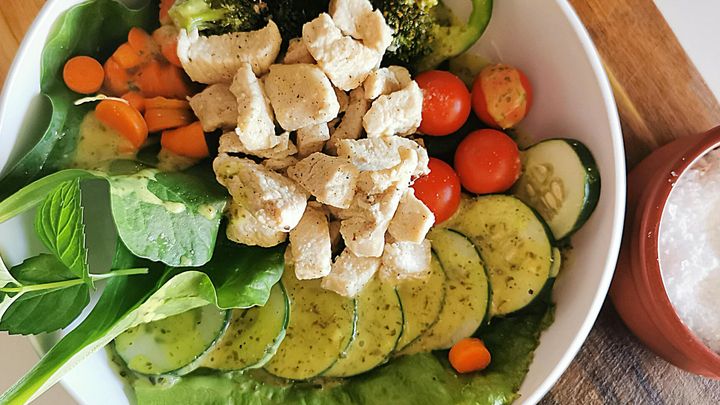
| Lunch | Lean protein, soluble fiber | 3–4 oz shredded grilled chicken over mixed greens with cucumber in a light olive oil vinaigrette |
| Mid-afternoon | Side-effect prevention | 1 cup warmed, low-sodium chicken or beef bone broth for collagen protein |
| Dinner | Easily digestible macros | 3 oz baked salmon or firm tofu with well-cooked zucchini or steamed asparagus (avoid raw fibrous vegetables at night) |
Knowing what can you eat on semaglutide a day gives you a highly reliable template. You can easily adapt these semaglutide meal ideas based on exactly where you are in your weekly wave. If you ever wonder what to eat for breakfast on semaglutide when nausea is high, simply revert to the liquid or chilled options from the table. Developing this routine is the most reliable method for managing acute nausea safely at home.
Hormonal and life stage considerations for GLP-1 nutrition
Metabolic health is deeply influenced by hormonal fluctuations and different life stages. Patients presenting with Polycystic Ovary Syndrome, a hormonal disorder that causes enlarged ovaries with small cysts and irregular periods, often suffer from severe underlying insulin resistance. Insulin resistance, a condition where your cells stop responding properly to insulin and cause elevated blood sugar levels, makes weight loss exceptionally difficult. Clinical data shows that semaglutide dramatically enhances insulin sensitivity and assists in restoring metabolic equilibrium for these individuals. The CDC's overview of obesity and metabolic health offers additional context on how insulin resistance contributes to long-term weight management challenges across different populations.
For adults navigating perimenopause and menopause, falling estrogen levels naturally accelerate age-related muscle wasting. This condition is known as sarcopenia, the involuntary loss of skeletal muscle mass and strength that occurs with advancing age. Because rapid weight loss on GLP-1 therapies can result in substantial lean tissue loss if unmanaged, menopausal patients must rigorously meet their daily protein targets. Consuming 1.2 to 1.6 grams of protein per kilogram of body weight is a non-negotiable medical requirement to preserve bone density and muscle. Patients interested in additional strategies to support lean tissue preservation may also want to explore sermorelin therapy and its role in supporting muscle recovery and metabolic health alongside GLP-1 treatment.
Treatment also intersects heavily with fertility. Semaglutide is strictly contraindicated during pregnancy due to potential fetal harm. However, rapid weight loss and improved insulin sensitivity swiftly correct hormonal imbalances. Many previously subfertile patients experience a rapid, unexpected restoration of spontaneous ovulation. Because delayed gastric emptying can alter the absorption rate of oral contraceptive pills, discussing secondary barrier methods with your prescribing provider is highly recommended to prevent an unexpected pregnancy. You can review the full safety profile of compounded semaglutide, including contraindications, on the Yücca semaglutide safety information page.
Frequently Asked Questions
What is the best semaglutide diet plan for beginners?
The best beginner strategy focuses on small, high-frequency, nutrient-dense meals rather than traditional large portions. Prioritize lean proteins like chicken, fish, and tofu to protect lean mass, accompanied by non-starchy vegetables. Maintaining precise hydration with water and electrolytes between meals is also essential to ensure smooth digestion.
What foods should you avoid on compounded semaglutide?
You should avoid high-fat, greasy, or heavily fried items, as delayed gastric emptying causes these foods to trigger severe nausea and bloating. Additionally, limit refined sugars, ultra-processed carbohydrates, spicy dishes, and alcohol, which can destabilize blood sugar baselines and worsen gastrointestinal discomfort.
How much protein should I eat daily on semaglutide?
The standard clinical recommendation for adults on weight-management medications is 1.2 to 1.6 grams of protein per kilogram of body weight daily. While you should consult your care provider for personalized targets, aiming for 20 to 30 grams of lean protein per meal effectively safeguards essential muscle mass.
What should I eat if I feel nauseous on semaglutide?
If acute nausea strikes, pivot immediately to bland, low-fat choices that are gentle on your stomach, such as saltine crackers, plain toast, white rice, or clear bone broth. Sip cold water or ginger and peppermint teas slowly between your meals rather than drinking large amounts during them.
Can you drink alcohol while taking compounded semaglutide?
It is highly recommended to limit or avoid alcohol during treatment. Alcohol can directly irritate the gastrointestinal tract, worsen nausea, increase the risk of low blood sugar, and add empty calories that counteract the foundational metabolic benefits of your prescribed treatment plan.
Why is protein so important on a GLP-1 diet plan?
Protein is critical because rapid weight loss can induce significant muscle catabolism alongside fat loss. Maintaining a consistent intake of high-quality protein safeguards your lean skeletal muscle, supports your baseline metabolic rate, and keeps you feeling satisfied while managing a naturally reduced appetite.
What is a good breakfast option on semaglutide?
A great breakfast choice is a low-volume, protein-first meal like unsweetened Greek yogurt topped with fiber-rich berries, or scrambled eggs with spinach. If you struggle with morning nausea or low appetite, a high-quality whey or plant-based protein smoothie serves as an easily digestible alternative. For additional guidance on common patient questions, visit the Yücca frequently asked questions page.
Balancing your daily nutrition while adapting to a new medication can feel overwhelming, especially when managing unexpected food aversions. You do not have to guess your way through this process alone. Connect with a Yücca clinical expert today to build a personalized metabolic blueprint that respects your body's unique pace and protects your lean muscle. You can complete a short health assessment online and hear back from a real clinician to ensure your daily nutrition is fully optimized. Explore all available treatments to find the right protocol for your health goals.
References
- Wilding JPH, Batterham RL, Calanna S, et al. Once-Weekly Semaglutide in Adults with Overweight or Obesity. N Engl J Med. 2021;384(11):989-1002. Available from: https://www.nejm.org/doi/full/10.1056/NEJMoa2032183
- Wharton S, Calanna S, Davies M, et al. Gastrointestinal tolerability of once-weekly semaglutide 2.4 mg in adults with overweight or obesity. Lancet Diabetes Endocrinol. 2022;10(4):275-284. Available from: https://pmc.ncbi.nlm.nih.gov/articles/PMC9293236/
- American College of Lifestyle Medicine (ACLM), American Society for Nutrition (ASN). Nutritional Priorities to Support GLP-1 Therapy for Obesity. Joint Clinical Advisory Board. 2025. Available from: https://www.obesity.org/nutritional-priorities-to-support-glp-1-therapy-for-obesity/
- European Association for the Study of Obesity (EASO). AI-based monitoring reveals protein deficiencies in people taking GLP-1 receptor agonists for weight loss. EASO Proceedings. 2026. Available from: https://www.eurekalert.org/news-releases/1123350
- Multidisciplinary Expert Consensus Panel. Clinical Recommendations to Manage Gastrointestinal Adverse Events in Patients Treated with GLP-1 Receptor Agonists: A Multidisciplinary Expert Consensus. J Clin Med. 2023;12(1):150. Available from: https://pmc.ncbi.nlm.nih.gov/articles/PMC9821052/
- National Center for Biotechnology Information. Semaglutide. In: StatPearls [Internet]. Bethesda (MD): National Library of Medicine; 2024. Available from: https://www.ncbi.nlm.nih.gov/books/NBK551568/
- U.S. Food and Drug Administration. Postmarket Drug Safety Information for Patients and Providers [Internet]. Silver Spring (MD): FDA; 2024 [cited 2026 May]. Available from: https://www.fda.gov/drugs/postmarket-drug-safety-information-patients-and-providers
- Centers for Disease Control and Prevention. Obesity Overview [Internet]. Atlanta (GA): CDC; 2024 [cited 2026 May]. Available from: https://www.cdc.gov/obesity/index.html
- U.S. Department of Agriculture and U.S. Department of Health and Human Services. Dietary Guidelines for Americans, 2020-2025 [Internet]. Washington (DC): USDA; 2020 [cited 2026 May]. Available from: https://www.dietaryguidelines.gov