




What to Eat Before a GLP-1 Injection to Prevent Nausea
Most people assume that taking a metabolic medication on a completely empty stomach is the best way to prevent nausea. The clinical reality is exactly the opposite. Injecting a medication like compounded semaglutide without eating first can cause blood sugar fluctuations that trigger intense dizziness and amplify morning-after sickness. Knowing what to eat before a GLP-1 injection is a critical part of managing your long-term treatment comfortably.
This guide breaks down the biological reasons your digestion changes and provides a concrete meal strategy for your dose day. You will learn exactly how these medications alter your stomach pacing and what to eat on Ozempic day or when taking any compounded alternative. A GLP-1 receptor agonist is a class of medications that mimics a natural hormone to signal fullness to your brain and slow down how quickly your stomach empties.
By understanding this mechanism, you can stop dreading your weekly shot and start fueling your body to support the medication. The right combination of lean proteins and complex carbohydrates acts as a protective buffer. That buffer stabilizes your energy and keeps side effects to a minimum.
Every patient navigates an adjustment period when initiating metabolic therapy. Your body is learning to process energy differently. Providing the right nutritional foundation on the exact day of your dose prevents the most common gastrointestinal disruptions. Understanding how GLP-1 medications slow your digestion empowers you to make informed dietary choices that directly improve your quality of life.
Key Takeaways
- Eating a small meal of lean protein and complex carbohydrates two hours before your dose stabilizes blood sugar and protects your stomach lining.
- Fasting before a subcutaneous injection worsens fatigue and dizziness by causing sudden drops in your baseline energy levels.
- High-fat and fried foods stay in your stomach for up to four hours, creating severe volume distress when combined with delayed digestion.
- Nausea affected 44.2% of semaglutide users in early clinical trials, but proactive meal timing significantly reduces this symptom without lowering the overall effectiveness of the medication.
- Dehydration mimics and intensifies both nausea and headaches on injection day.
The Science of the Traffic Controller: How GLP-1s Change Your Digestion
Think of your stomach like a kitchen sink with a wide drain at the bottom. Under normal circumstances, when you eat a meal, the drain is wide open. Food clears out into your intestines within a couple of hours.
When you introduce a medication like compounded semaglutide or compounded tirzepatide, it temporarily turns that wide-open drain into a tiny funnel. This creates a biological effect called delayed gastric emptying. Delayed gastric emptying is a process where the stomach retains food significantly longer than usual to prolong the sensation of fullness.
This is the exact mechanism that keeps you feeling satisfied on a fraction of your usual food intake. However, this slowed digestion is also the root cause of the side effects you might experience. If you go into your weekly injection day with a stomach already full of heavy or greasy foods, you are backing up that slow-moving drain.
The American Society of Anesthesiologists released updated clinical safety reviews indicating that solid foods can remain in the stomach for four or more hours after eating for patients on these medications. When you administer your shot on top of a heavy workload, it creates physical volume distress. Your brain translates this direct gastric pressure into acute nausea.
Concurrently, these molecules cross the blood-brain barrier to bind to receptors in the area postrema. The area postrema is a structure in the hindbrain that controls vomiting and nausea responses. When the stomach is overfilled due to delayed emptying, the physical pressure sends distress signals directly to this center in your brain.
At the same time, your body is adjusting to a sudden drop in its usual fuel supply. Your metabolic system experiences a temporary adjustment period as it learns to process energy differently. This shift frequently presents as the characteristic day-of-injection fatigue. Instead of fighting the medication, you can learn to work with your new digestive pacing. Eating light, easily digestible foods keeps the engine running smoothly without overloading the system.
For a detailed clinical overview of how semaglutide and tirzepatide interact with your digestive physiology, the National Library of Medicine provides thorough drug profiles for both compounds.
What the Clinical Data Says About Injection Day Side Effects
Many patients feel isolated when they experience gastrointestinal distress after their weekly dose. Clinical data proves that these symptoms are both extremely common and highly manageable.
In the landmark STEP 1 trial, nausea was the most frequently reported adverse event. It affected 44.2% of participants taking a 2.4 milligram dose of semaglutide. The trial noted that the vast majority of these events were mild to moderate. They were also transient and occurred primarily during the initial sixteen-week dose escalation phase.
The data for dual-action medications shows a similar pattern. Tirzepatide is a dual GLP-1 and GIP receptor agonist. A GIP receptor agonist is a compound that targets a specific gut hormone to further enhance blood sugar regulation and reduce appetite alongside GLP-1. In the SURMOUNT-1 trial, nausea occurred in 24.6% of participants on the maximum 15 milligram dose of tirzepatide, showing a clear dose-dependent escalation. That same trial documented fatigue in approximately 9.1% of patients across all cohorts. This fatigue typically peaked shortly after injection days while patients moved up in strength.
A multidisciplinary expert consensus review confirmed that gastrointestinal adverse events peak sharply during the first four to five weeks of treatment. This is the exact window when your stomach is adapting to its new emptying speed. The consensus panel explicitly recommended a clinical strategy prioritizing small, low-fat pre-injection meals over immediate antiemetic prescriptions to prevent GLP-1 nausea.
Perhaps the most reassuring data comes from an analysis of how these symptoms interact with actual weight loss. A pooled review of trial data proved that 99.5% of digestive side effects on weekly metabolic peptides are classified as clinically non-serious. Crucially, the same analysis demonstrated that nausea does not drive weight loss.
This means that managing and eliminating your nausea through proper nutrition does not lower the effectiveness of the medication. Fewer than five to seven percent of patients permanently discontinue their therapy due to gastrointestinal side effects when proactive lifestyle support is provided. You do not have to suffer to see results. For a broader overview of semaglutide safety information and what to expect during dose escalation, the Yücca safety page covers contraindications and risk management in detail.
The De-Risk Your Dose Protocol: Your Injection Day Ritual
Preparation is your best defense against severe gastrointestinal symptoms. Most general advice simply tells you to eat saltines and hope for the best. A true preparation strategy requires a structured, macro-focused approach to your meals. The goal is to nourish your body while giving your narrowed digestive funnel the easiest possible workload.
The first rule is to stop fasting before your subcutaneous injection. A subcutaneous injection is a shot delivered into the fatty tissue just below the skin rather than into a muscle or vein. While oral medications often require a completely empty stomach for absorption, taking an injection without food can induce a rapid blood sugar drop. If you are curious about how the injection route compares to oral alternatives, our detailed comparison of oral vs. injectable semaglutide explains the key pharmacological differences. This sudden drop worsens the dizziness and fatigue you might already be feeling.
Your Semaglutide Injection Day Protocol
To optimize your comfort, focus on a precise two-hour pre-shot window. You should eat a small, easily digestible meal roughly two hours before you administer your dose. This meal must balance lean proteins and complex carbohydrates for metabolic health. Complex carbohydrates are foods like oatmeal or brown rice that break down slowly to provide steady energy without spiking your blood sugar. The USDA Dietary Guidelines provide an evidence-based framework for understanding how macronutrient distribution affects metabolic stability.
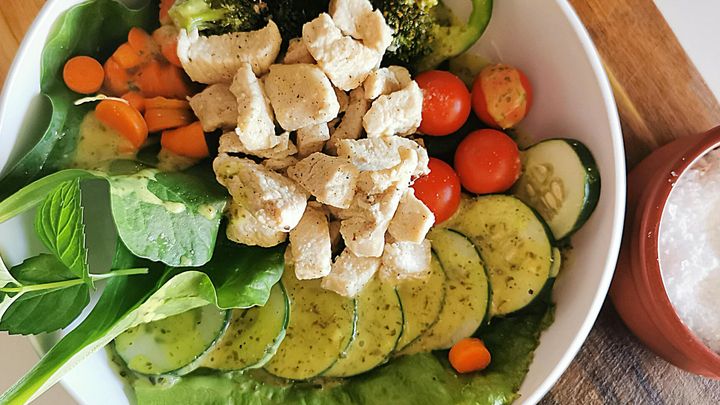
A perfect example is baked chicken with a half cup of white rice. This combination acts as a protective buffer for your stomach lining. Textural shifting is another powerful strategy for this window. Dense, raw vegetables take immense energy to break down. Swap your raw salads for steamed vegetables on dose day to speed up the mechanical digestion process.
If whole foods feel impossible to swallow, substitute heavy dairy shakes with clear protein supplements for nausea relief. Clear whey isolates digest faster than thick milk-based proteins. This straightforward swap assists you in meeting your daily protein requirements without triggering volume distress.
Reducing Tirzepatide Fatigue with Strategic Hydration
Energy depletion is a common complaint during dose escalation. Managing and reducing tirzepatide fatigue requires more than just solid food. Your fluid intake must be equally structured. Understanding how long tirzepatide stays in your system can also help you anticipate when fatigue is most likely to peak, so you can plan your hydration and meals accordingly.
Do not drink massive amounts of water simultaneously with your solid food. Chugging liquids while eating a solid meal further expands your stomach volume. Drink your water thirty to sixty minutes before your pre-shot meal. This timing optimizes your cellular hydration without increasing gastric pressure.
Adding a zero-sugar electrolyte packet to your morning routine prevents the mild dehydration that often masquerades as severe exhaustion. Dehydration forces your cardiovascular system to work harder, which rapidly depletes your physical stamina. MedlinePlus offers practical, patient-friendly guidance on hydration strategies during active weight management for additional reference.
Foods to Avoid Before a GLP-1 Injection
You must aggressively filter out certain macronutrients on your dose day. A single heavy meal can ruin your week.
- Heavy dietary fats and fried dishes: Oils and grease stay in your stomach for hours.
- Refined sugars: Concentrated sweets trigger rapid blood sugar spikes followed by severe crashes.
- Alcoholic beverages: Alcohol inflames the stomach lining and severely compounds dehydration.
- Spicy foods: Capsaicin and heavy spices frequently trigger intense acid reflux when digestion is delayed.
Because the medication delays gastric emptying, these specific items sit in the stomach significantly longer than they used to. This delay causes severe bloating, sulfur burps, and acute nausea if you consume them too close to your injection window. For a complete overview of tirzepatide safety information including dietary interactions, the Yücca safety page outlines what patients should monitor during treatment.
The Ultimate GLP-1 Injection Day Meal Protocol
TimingIdeal Macro/FoodClinical Reason2 hours beforeLean protein (baked chicken)Stabilizes blood sugar and prevents dizziness2 hours beforeComplex carb (white rice)Provides steady energy without spiking glucose1 hour beforeZero-sugar electrolytesMaintains fluid balance and mitigates fatigueDay of injectionAvoid heavy fatsPrevents delayed digestion and severe volume distress
Hormones, Fertility, and the Female Metabolic System
Metabolic medications do not operate in a vacuum. Your underlying hormonal baseline directly impacts how your body handles delayed gastric emptying and systemic energy shifts. Patients navigating specific endocrine conditions often require specialized strategies to manage their side effects comfortably.
Patients with Polycystic Ovary Syndrome face unique challenges when starting treatment. Polycystic Ovary Syndrome is a hormonal disorder causing enlarged ovaries with small cysts that is frequently linked to severe insulin resistance. These patients often exhibit baseline gut dysmotility before they even take their first dose. Because of this pre-existing condition, they are highly responsive to the medication but slightly more prone to initial nausea.
Proactive meal pacing is non-negotiable for this group. If nausea prevents adequate nutritional intake during specific phases of your menstrual cycle, speak with your provider before skipping a dose.
Age-related hormonal shifts also play a major role in digestion. The structural drop in estrogen during perimenopause and menopause slows natural metabolic rates and can exacerbate baseline constipation. When you layer a GLP-1 medication on top of this natural slowing, the risk for severe constipation rises significantly. Patients in this life stage require aggressive hydration protocols. Drinking 64 ounces of water daily is vital to prevent secondary nausea caused by bowel backups. The CDC's diabetes resource hub provides useful context on how hormonal and metabolic overlap affects treatment response.
Fertility and contraception require immediate attention when starting treatment. Because tirzepatide delays stomach clearing, it can transiently decrease the peak plasma concentration of oral contraceptives by up to 20 percent. This reduction occurs primarily after the first dose and subsequent dose escalations. Patients using oral birth control must switch to a non-oral contraceptive method or add a barrier method for four weeks after initiation and for four weeks after each dose increase.
Rapid weight loss and improved insulin sensitivity can also spontaneously restore regular ovulation in previously subfertile patients. Proactive family planning is critical. GLP-1 receptor agonists are strictly contraindicated during pregnancy due to potential fetal harm observed in animal studies. Therapy must be completely discontinued at least two months before a planned pregnancy. If you have questions about eligibility or how to get started safely, the Yücca how it works page outlines the full clinical onboarding process.
Frequently Asked Questions
What should I eat before a GLP-1 injection to prevent nausea?
Eat a small, easily digestible meal consisting of lean protein and complex carbohydrates roughly two hours before your dose. Prioritize foods like baked chicken with white rice or oatmeal. Avoiding heavy, high-fat, or greasy meals is crucial, as they slow digestion further and trigger intense nausea.
Should I fast before taking my weekly GLP-1 injection?
No, general clinical consensus advises against complete fasting before a subcutaneous injection. While oral formulations require an empty stomach, taking an injection without food can induce low blood sugar, worsening dizziness and fatigue. A light, low-fat snack acts as a protective buffer for your stomach lining.
What foods should I completely avoid on my injection day?
Avoid fried foods, heavy fats, refined sugars, alcohol, and spicy dishes. Because semaglutide and tirzepatide delay gastric emptying, high-fat meals sit in the stomach significantly longer. This digestive delay causes severe bloating, sulfur burps, acid reflux, and acute nausea if consumed close to your injection window.
Why do GLP-1 medications cause intense fatigue after the shot?
Post-injection fatigue is typically caused by rapid changes in metabolic signaling, reduced caloric intake, or mild dehydration. As your body adjusts to blood sugar regulation modifications, your energy levels can temporarily dip. Prioritizing lean proteins and balanced hydration with electrolytes on injection day helps mitigate this sluggishness.
How can hydration alter the severity of GLP-1 side effects?
Dehydration mimics and intensifies both nausea and headaches on GLP-1 therapy. Because these medications naturally suppress thirst signals, active hydration is vital. Drinking 64 ounces of water daily, supplemented with zero-sugar electrolytes on your injection day, stabilizes fluid balance and drastically reduces systemic fatigue.
Can I take a GLP-1 injection on an empty stomach?
While medically safe to inject at any time with or without food, doing so on a completely empty stomach can worsen nausea for sensitive patients. Eating a small protein-forward snack an hour or two prior prevents rapid blood sugar fluctuations and protects your digestive comfort as the medication peaks. The drugs.com semaglutide information page provides additional pharmacological context on dosing flexibility.
What should I do if my GLP-1 nausea prevents me from keeping food down?
If severe nausea prevents you from keeping liquids or light foods down for more than 24 hours, pause and contact your provider immediately. Do not alter your dosage or titration schedule independently. Focus on small, frequent sips of clear bone broth or electrolyte solutions until consulting your Yücca medical team for clinical guidance.
Managing your metabolic health is an active journey that changes from week to week. If your current dietary routine feels heavy or uncomfortable, our clinical care team is here to help you adjust your plan safely. A licensed Yücca provider can walk you through your symptoms, review your dose pacing, and ensure your treatment protocol fits seamlessly into your daily life. You do not have to navigate side effects alone.
References
- Wilding JPH, Batterham RL, Calanna S, et al.; STEP 1 Study Group. Once-weekly semaglutide in adults with overweight or obesity. N Engl J Med. 2021;384(11):989-1002. Available from: https://www.nejm.org/doi/full/10.1056/NEJMoa2032183
- Jastreboff AM, Aronne LJ, Ahmad NN, et al.; SURMOUNT-1 Investigators. Tirzepatide once weekly for the treatment of obesity. N Engl J Med. 2022;387(3):205-216. Available from: https://www.nejm.org/doi/full/10.1056/NEJMoa2206038
- Morales J, et al. Clinical recommendations to manage gastrointestinal adverse events in patients treated with GLP-1 receptor agonists: a multidisciplinary expert consensus. J Clin Med. 2023;12(1):145. Available from: https://www.mdpi.com/2077-0383/12/1/145
- Wharton S, et al. Gastrointestinal tolerability of once-weekly semaglutide 2.4 mg in adults with overweight or obesity: a pooled analysis of the STEP 1, 2 and 3 trials. Diabetes Obes Metab. 2022;24(2):254-265. Available from: https://pmc.ncbi.nlm.nih.gov/articles/PMC9293236/
- American Society of Anesthesiologists. Clinical practice update on preoperative fasting and the use of GLP-1 agonists [Internet]. Schaumburg (IL): American Society of Anesthesiologists; 2025 [cited 2026 May 20]. Available from: https://www.asahq.org
- National Center for Biotechnology Information. Semaglutide [Internet]. Bethesda (MD): National Library of Medicine; [cited 2026 May 20]. Available from: https://www.ncbi.nlm.nih.gov/books/NBK551568/
- National Center for Biotechnology Information. Tirzepatide [Internet]. Bethesda (MD): National Library of Medicine; [cited 2026 May 20]. Available from: https://www.ncbi.nlm.nih.gov/books/NBK585056/
- U.S. Department of Agriculture and U.S. Department of Health and Human Services. Dietary Guidelines for Americans, 2020-2025 [Internet]. Washington (DC): USDA; 2020 [cited 2026 May 20]. Available from: https://www.dietaryguidelines.gov
- MedlinePlus. Weight control [Internet]. Bethesda (MD): National Library of Medicine; [cited 2026 May 20]. Available from: https://medlineplus.gov/weightcontrol.html
- Centers for Disease Control and Prevention. Diabetes [Internet]. Atlanta (GA): CDC; [cited 2026 May 20]. Available from: https://www.cdc.gov/diabetes/
- Drugs.com. Semaglutide: drug information [Internet]. [cited 2026 May 20]. Available from: https://www.drugs.com/semaglutide.html