Cellular energy
  Focus and clarity
  Cell repair and maintenance
  Longevity Support
 Turns food into usable energy
Energy NAD+ Food you eat
NAD+ carries electrons through the reactions that turn food into the energy your cells run on. Your mitochondria can't finish that process without it.
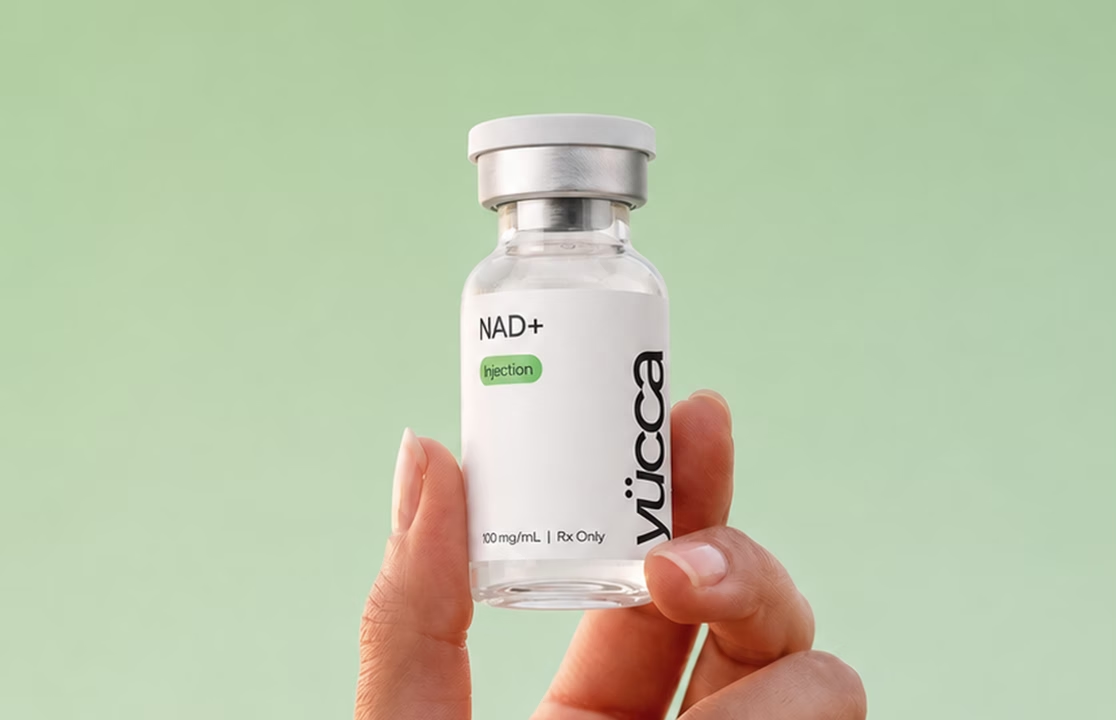
In stock

A coenzyme
in every cell
you have
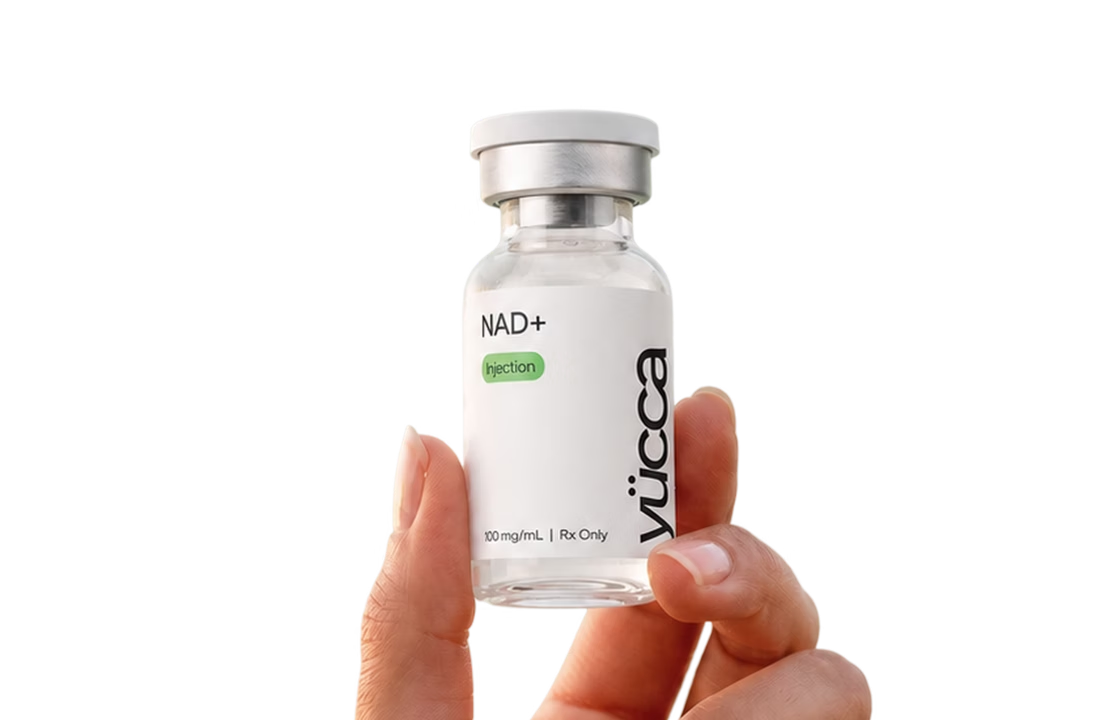
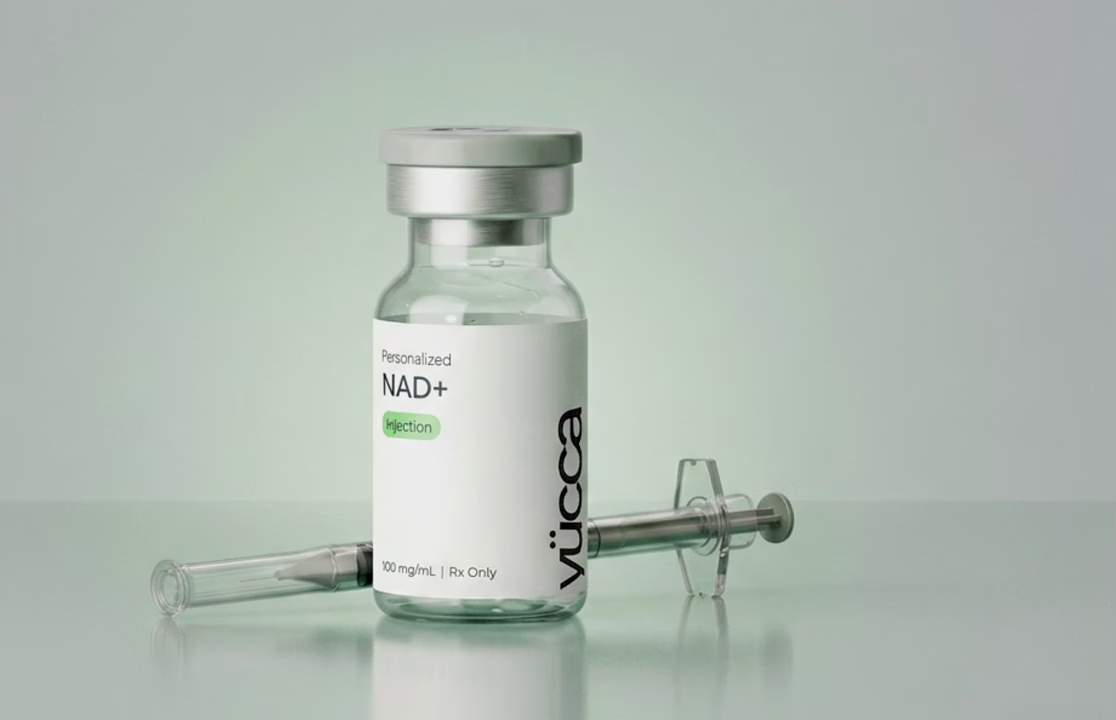
Energy starts
in your cells

An injection that delivers a coenzyme your cells already use to convert food into usable energy — supporting the mitochondrial processes behind cellular energy production and routine DNA repair.
NAD+ (nicotinamide adenine dinucleotide) is a coenzyme found in every cell in your body, and it does one essential job: it helps turn the food you eat into the energy your cells run on. Your mitochondria — the part of the cell that produces that energy — can't finish the process without it. The same supply is also used by enzymes that handle routine cell maintenance, including DNA repair and how cells respond to stress. NAD+ levels are understood to decline with age and under physical stress. An injection delivers the coenzyme directly, skipping digestion.
NAD+ carries electrons through the reactions that turn food into the energy your cells run on. Your mitochondria can't finish that process without it.
NAD+ is required for sirtuin activity — a family of proteins involved in DNA repair, stress resistance, and longevity. By supporting NAD+ levels, you help activate these pathways that decline with age.
NAD+ supports metabolic health by helping regulate energy metabolism and insulin signaling. By maintaining healthy NAD+ levels, you support the cellular pathways that influence glucose handling.
Week 1 → 4
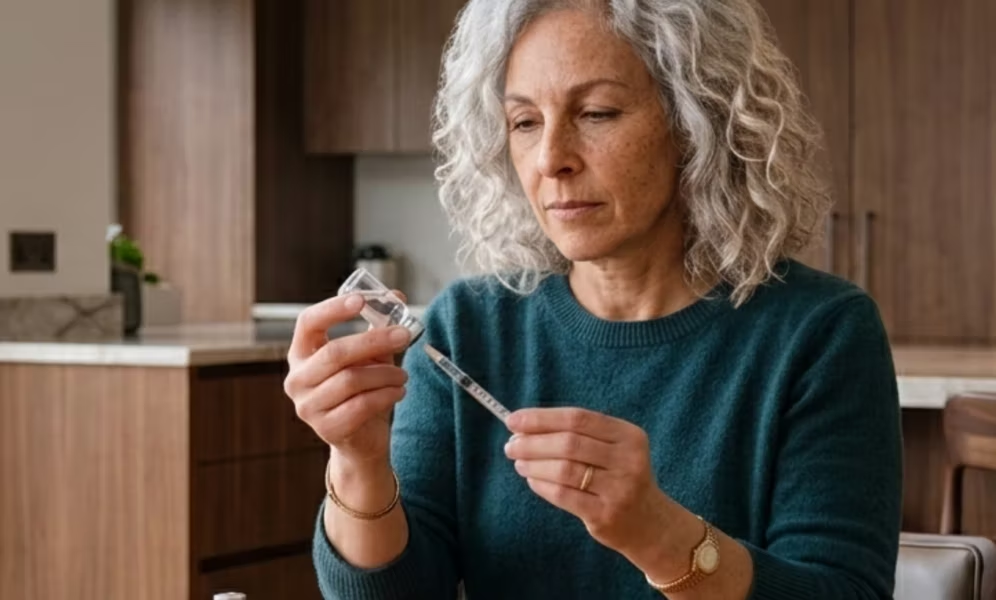
The injection puts NAD+ into circulation directly, skipping digestion. Your mitochondria use it immediately — carrying electrons through the final steps of turning food into energy. But NAD+ isn't stored. It's consumed continuously and levels fall between doses, so these first weeks are about frequency.
Week 4 → 12

Your cells make two claims on the same NAD+ supply: energy production, and the maintenance enzymes that handle DNA repair and cellular stress response. Energy wins that competition. When the pool is tight, maintenance runs on what's left. Sustained dosing means both draw from more. Some patients notice changes in this window, others notice little — both are normal.
Month 3+

NAD+ isn't something you finish. Your cells break it down and rebuild it constantly, so support is ongoing rather than a course with an end date. Most protocols shift here — from a frequent early cadence to a maintenance rhythm your provider sets based on how you've responded.
U.S. Licensed Pharmacies. All 50 states.
Free provider consultation & injection kit.
Free shipping. Arrives in 2 days.
Same price, every dose. For life.
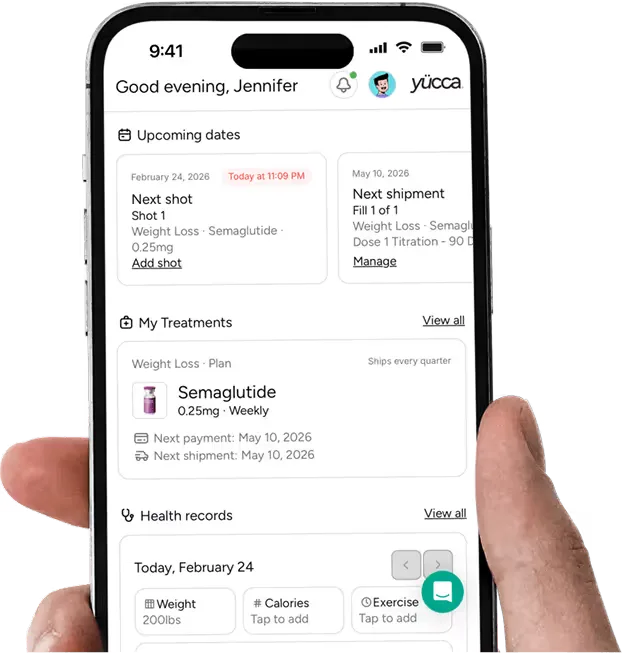
Manage your treatment, anytime, anywhere.
All major credit cards accepted:




Buy Now, Pay Later Available
Spread payments over time!



NAD+ (nicotinamide adenine dinucleotide) is a coenzyme found in every cell in your body. Its central role is helping convert the food you eat into the energy your cells run on — your mitochondria can’t complete that process without it. The same supply is used by enzymes involved in routine cell maintenance, including DNA repair.
NAD+ levels are understood to decline with age. An injection delivers the coenzyme directly, skipping digestion.
Honestly: it varies, and some people notice little. NAD+ is not a treatment with a defined endpoint you reach — your cells consume and rebuild it continuously, so it’s ongoing support rather than a course that finishes.
The research on NAD+ supplementation in humans is still developing, and it’s less established than the evidence base behind GLP-1 medications. We’re not going to tell you it will make you feel a particular way. Your clinician can talk through what’s reasonable to expect for your situation.
NAD+ may be considered for adults interested in longevity-focused support. Eligibility is determined case by case by a licensed clinician.
The most common side effects are injection-site reactions, digestive discomfort, flushing or warmth, and headache. Allergic reactions are rare but possible. Tell your clinician if you have cardiovascular disease, diabetes, or kidney disorders, or if you’re pregnant, planning pregnancy, or breastfeeding.
No. Compounded NAD+ is not FDA-approved, and the FDA does not review compounded preparations for safety, effectiveness, or manufacturing quality before they’re marketed. It’s prescribed by a licensed clinician and prepared by a licensed pharmacy when determined appropriate for you.
Four steps:
You’re only charged after a clinician approves your treatment. A temporary authorization hold appears at checkout and is released if no prescription is written.
Licensed providers. Science-backed treatments. Fully online.
Get started today