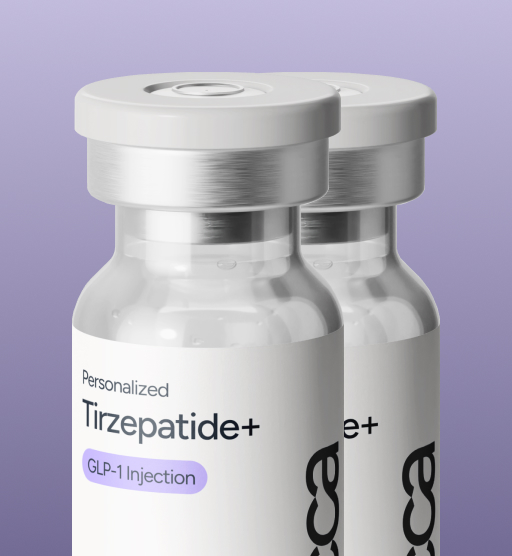

Retatrutide and tirzepatide are related medicines, but they are not interchangeable. Tirzepatide is an FDA-approved once-weekly medicine used under the Zepbound brand for chronic weight management and certain other labeled uses. Retatrutide is a once-weekly investigational medicine being studied in phase 3 trials; it is not yet an FDA-approved treatment. The main scientific difference is that tirzepatide activates two hormone receptors, while retatrutide activates three. [1] [2] [3] [4]
The short answer
Tirzepatide is the established option: it has an FDA label, standardized products, defined dosing, and extensive phase 3 evidence. Retatrutide is the newer triple-agonist candidate: phase 2 results were striking, and Lilly has reported positive topline results from the pivotal TRIUMPH-1 trial, but regulatory review and full publication of pivotal data are separate steps. No completed head-to-head randomized trial establishes that one is better for an individual patient. [1] [2] [4] [5]
For broader background, see Yucca’s plain-language guide to how GLP-1 medicines work and its semaglutide-versus-tirzepatide comparison.
Key Takeaways
- Tirzepatide activates GIP and GLP-1 receptors; retatrutide activates GIP, GLP-1, and glucagon receptors. [1] [2]
- Tirzepatide is FDA approved for specific indications. Retatrutide is still investigational despite positive trial updates. [1] [3] [4]
- The headline weight-loss numbers come from different studies, populations, schedules, and time points; they are not a direct comparison. [2] [5]
- Both programs have reported gastrointestinal adverse events, while retatrutide studies also require continued attention to heart-rate and glucagon-related effects. [2] [5]
Two receptors versus three
Tirzepatide is a dual agonist at the glucose-dependent insulinotropic polypeptide (GIP) and glucagon-like peptide-1 (GLP-1) receptors. Its FDA label describes effects that include reduced calorie intake, delayed gastric emptying, and improved insulin sensitivity. The exact contribution of each receptor pathway to a person’s result cannot be separated from ordinary clinical use. [1]
Retatrutide adds glucagon-receptor activity to GIP and GLP-1 activity. Researchers are studying whether this three-receptor design can influence both energy intake and energy expenditure. That is a biological hypothesis being tested through outcomes and safety data—not proof that “three is automatically better than two.” [2]
What the tirzepatide evidence shows
SURMOUNT-1 randomized 2,539 adults with obesity, or overweight plus a weight-related condition, without diabetes. After 72 weeks, average weight change was approximately −15.0%, −19.5%, and −20.9% with tirzepatide 5 mg, 10 mg, and 15 mg, compared with −3.1% with placebo. These are trial averages, not promises for an individual. [5]
That evidence sits within a larger regulatory package and a current prescribing label. The label specifies who may be eligible, how dosing is escalated, contraindications, warnings, adverse reactions, and interactions. This is why “available now” means more than a positive study result: manufacturing, labeling, pharmacovigilance, and regulatory oversight are part of the medicine. [1]
Yucca’s tirzepatide guide covers the approved medicine in more detail.
What the retatrutide evidence shows
The published phase 2 obesity trial randomized 338 adults without diabetes to placebo or several once-weekly retatrutide dose regimens. At 48 weeks, mean weight change ranged from −8.7% at 1 mg to −24.2% at 12 mg, versus −2.1% with placebo. Gastrointestinal events were the most common and were dose-related; dose-dependent increases in heart rate peaked at 24 weeks and then declined. [2]
The phase 3 TRIUMPH-1 record lists a completed randomized study in adults with obesity or overweight, including substudies involving knee osteoarthritis and obstructive sleep apnea. ClinicalTrials.gov is essential for design and status, but its record did not include posted results at the source snapshot used for this article. [3]
Lilly has separately announced positive topline results from the pivotal TRIUMPH-1 phase 3 trial. A company topline announcement is useful current information, but it does not replace a full peer-reviewed paper, regulator review, or an FDA-approved label. [4]
Why the percentages should not be put in a horse race
It is tempting to compare −24.2% from one retatrutide phase 2 group with −20.9% from one tirzepatide phase 3 group. That shortcut is not scientifically sound. The trials had different sizes, durations, dose-escalation plans, eligibility criteria, analysis methods, and participants. A fair efficacy comparison requires a randomized head-to-head design or a carefully qualified indirect analysis. [2] [5]
The same caution applies to tolerability. Rates of nausea or discontinuation can change with dose, escalation speed, population, and how events are collected. Trial tables are best read within their own protocols, not ranked as if they came from one experiment. [2] [5]
Safety questions are part of the difference
Tirzepatide’s current label includes a boxed warning about thyroid C-cell tumors observed in rats and lists important contraindications and warnings, including severe gastrointestinal reactions, pancreatitis, gallbladder disease, kidney injury from volume depletion, hypoglycemia in some combinations, and hypersensitivity reactions. A prescriber uses that label alongside a patient’s history and other medicines. [1]
Retatrutide does not yet have an approved prescribing label. In phase 2, gastrointestinal adverse events were common and heart rate increased in a dose-dependent pattern before declining later in the trial. Phase 3 and regulatory review must establish how its benefit-risk profile should be described, monitored, and used—if it is approved. [2] [3] [4]
What this means if you are choosing treatment now
Retatrutide is not a current substitute for prescribed tirzepatide. If tirzepatide is not effective, affordable, available, or tolerable for you, the next step is a clinician conversation about the diagnosis, dose and duration, adherence, side effects, coverage, and other approved options. Buying an unapproved product is not a shortcut to phase 3 care.
- Ask which approved indication and health goal are being treated, and what outcome would count as meaningful progress. [1]
- Review contraindications, side effects, other medicines, pregnancy plans, and any history of pancreatitis or gallbladder disease with the prescriber. [1]
- If a retatrutide trial interests you, use a verified registry record and contact the listed study team rather than a seller. [3]
- Revisit the comparison after pivotal results are fully published and regulators have made a decision; the evidence can change. [3] [4]
Frequently Asked Questions
Is retatrutide FDA approved?
Is retatrutide stronger than tirzepatide?
What is the simplest mechanism difference?
When will retatrutide be available?
There is no guaranteed approval or launch date in the cited evidence. A positive pivotal-trial announcement is not an approval, and availability would depend on regulatory review. [4]
The bottom line
Tirzepatide is an approved dual GIP/GLP-1 agonist with a defined label and mature obesity evidence. Retatrutide is a promising investigational triple GIP/GLP-1/glucagon agonist with published phase 2 results and positive phase 3 topline updates, but it still needs full pivotal-data scrutiny and regulatory review. For patients today, the meaningful comparison is not the largest percentage in a headline; it is approved availability, evidence quality, safety, access, and fit with an individual care plan.
This article is general education and does not replace individualized medical advice.
References
- U.S. Food and Drug Administration. Zepbound (tirzepatide) prescribing information. NDA 217806/S-042. Revised January 2026. Accessed September 10, 2026.
- Jastreboff AM, et al. Triple-Hormone-Receptor Agonist Retatrutide for Obesity — A Phase 2 Trial. N Engl J Med. 2023;389:514–526. Europe PMC record for PMID: 37366315.
- ClinicalTrials.gov. TRIUMPH-1: A Study of Retatrutide (LY3437943) in Participants Who Have Obesity or Overweight. NCT05929066. Record updated June 3, 2026. Accessed September 10, 2026.
- Eli Lilly and Company. Lilly obesity news: TRIUMPH-1 retatrutide Phase 3 topline results. May 25, 2026. Accessed September 10, 2026.
- Jastreboff AM, et al. Tirzepatide Once Weekly for the Treatment of Obesity. N Engl J Med. 2022;387:205–216. Europe PMC record for PMID: 35658024.