
Diarrhea is a common side effect of tirzepatide, but it is not something you simply have to ignore. Most episodes can be managed with a short, practical plan: replace fluids and electrolytes, make meals temporarily easier on your gut, watch the timing around dose increases, and know when the pattern needs medical attention. [1] [3]
How common is diarrhea with tirzepatide?
In pooled adult weight-reduction trials in the current Zepbound label, diarrhea was reported by 19% of people taking 5 mg, 21% taking 10 mg, and 23% taking 15 mg, compared with 8% taking placebo. These are group-level trial rates, not a prediction of what will happen to one person. [1]
The same label says that most nausea, vomiting, and diarrhea events occurred during dose escalation and decreased over time. That pattern can help explain why symptoms may reappear after an increase, but it does not prove that every new episode is medication-related. Infections, foodborne illness, and other medicines can also cause acute diarrhea. [1] [3]
If symptoms started after a recent increase, review the timing alongside Yucca’s guide to GLP-1 dose-increase side effects. If meals seem to be the trigger, the tirzepatide food guide offers practical substitutions without turning food into a permanent blacklist.
Key Takeaways
- Diarrhea is common in tirzepatide trials and often clusters around dose escalation. [1]
- Replace both fluids and electrolytes; small, frequent sips may be easier than a large drink at once. [3] [2]
- Temporarily simplify meals and reduce personal triggers such as high-fat food, alcohol, caffeine, lactose, or sugar alcohols when they clearly worsen symptoms. [2]
- Do not change the tirzepatide dose or schedule without the prescriber. [1]
- Dehydration, blood or black stool, severe pain, high fever, frequent vomiting, or symptoms lasting more than two days in an adult warrant prompt medical guidance. [3] [4]
Why it happens—and what the evidence can and cannot say
Tirzepatide acts on GIP and GLP-1 receptors and delays gastric emptying. Gastrointestinal effects are expected with this drug class, especially during treatment initiation and dose escalation. However, the prescribing information does not establish one simple mechanism that explains every episode of diarrhea, so it is more accurate to describe the symptom as a recognized treatment effect than to claim that food is “moving too slowly” or “too quickly” in any individual. [1] [2]
Timing is useful context. Write down the injection day, current dose, the date of the last dose change, stool frequency, foods and drinks, and any vomiting or fever. A short record helps the prescriber distinguish a tolerable, improving pattern from a problem that may need a slower titration, a medication review, or an evaluation for another cause. Do not use the record to make dose changes yourself. [2] [1]
First priority: fluids and electrolytes
Diarrhea causes the body to lose fluid and electrolytes. Water, broth, and an oral rehydration solution can help replace those losses. Take small, frequent sips if a full glass feels difficult. People who are pregnant, older, immunocompromised, or managing another health condition should ask a clinician what type and amount of fluid is appropriate. [3]
Dark urine, urinating less than usual, marked thirst, dry mouth, dizziness, unusual tiredness, or lightheadedness can signal dehydration. The Zepbound label warns that nausea, vomiting, and diarrhea can lead to dehydration and acute kidney injury; persistent gastrointestinal symptoms should be reported to a healthcare professional. [4] [1]
For more on that connection, see Yucca’s guide to GLP-1s, dehydration, and kidney problems. The point is not to panic over one loose stool; it is to notice when ongoing losses are outpacing what you can drink.
What to eat while your gut settles
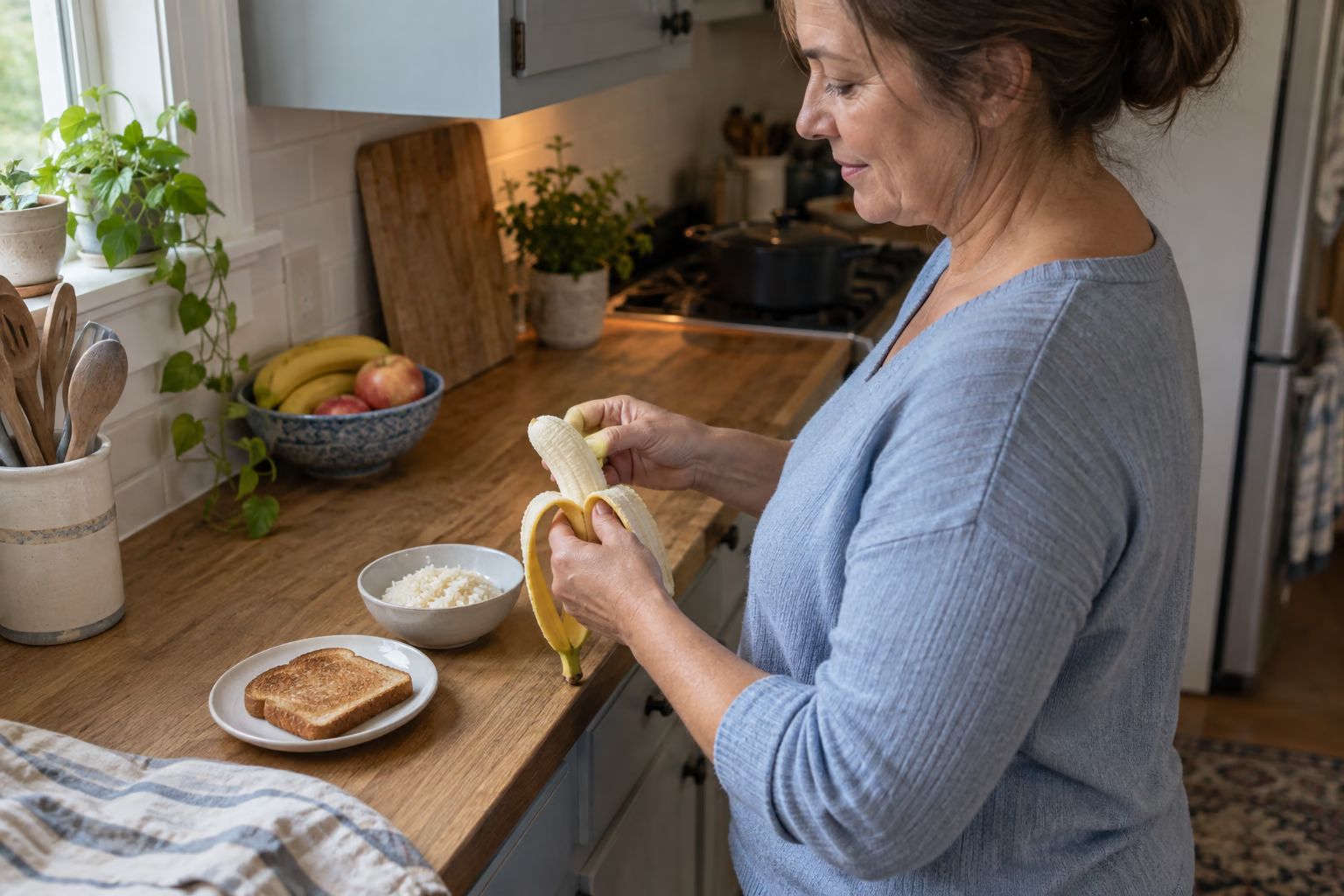
There is no required “tirzepatide diarrhea diet.” For a day or two, choose foods you already tolerate in small portions: for example, rice, toast, bananas, potatoes, soup, eggs, oatmeal, or simple lean protein. Eat slowly and stop before you feel overly full. As symptoms improve, move back toward your normal balanced pattern rather than staying on a highly restricted menu. [2]
Expert consensus for GLP-1 gastrointestinal effects recommends paying attention to triggers such as very fatty food, alcohol, caffeine, some dairy products, high-fiber foods during active diarrhea, and sweeteners ending in “-ol,” which are sugar alcohols. Treat these as temporary experiments, not universal bans. If a food does not worsen your symptoms, there is no reason to remove it merely because it appears on a generic list. [2]
Avoid forcing large meals to “keep your strength up.” Several smaller eating occasions can be easier to tolerate. Once stools normalize and hydration is stable, reintroduce more variety gradually. Prolonged restriction can make it harder to meet protein, energy, and micronutrient needs. [2]
Should you take an anti-diarrheal medicine?
Some adults use over-the-counter medicines for acute diarrhea, but they are not right for every situation. MedlinePlus advises contacting a healthcare provider when adult diarrhea lasts more than two days or comes with dehydration, severe pain, high fever, blood or pus, or black stool. Those warning signs call for medical guidance rather than an attempt to suppress symptoms on your own. [3]
Ask a clinician or pharmacist before adding a product if you take other medicines, have kidney or heart disease, are pregnant, or are not sure what caused the diarrhea. An anti-diarrheal may reduce stool frequency while leaving the underlying problem unresolved, so repeated use is not a substitute for reviewing the tirzepatide plan and other possible causes. [3]
When to call the tirzepatide prescriber
Contact the prescriber when diarrhea is severe, keeps returning after injections or dose increases, lasts more than two days, interferes with eating or drinking, or comes with repeated vomiting. Also call if you cannot keep up with fluids or notice dehydration. [1] [3] [4]
Seek prompt medical care for blood or pus in stool, black or tarry stool, severe abdominal or rectal pain, high fever, confusion, fainting, or significant dehydration. Severe abdominal pain that does not go away—with or without vomiting, and sometimes radiating to the back—also needs urgent assessment because the Zepbound label warns about acute pancreatitis. [3] [4] [1]
A clinician may review other medicines, the titration pace, hydration status, recent travel or sick contacts, and whether testing is needed. The appropriate response can range from continued monitoring to a change in treatment, but that decision depends on the whole clinical picture. [2] [4]
A practical 24-hour plan
- Start a simple count of loose stools and note any vomiting, fever, blood, severe pain, or dehydration signs. [4]
- Take small, frequent sips of water, broth, or oral rehydration solution to replace fluid and electrolytes. [3]
- Choose small portions of familiar, easy-to-tolerate foods; pause alcohol, very fatty meals, and any clear personal trigger. [2]
- Record the injection day and any recent dose increase, but do not change the dose or schedule yourself. [1]
- Ask a clinician or pharmacist before using an over-the-counter anti-diarrheal, particularly if you have other health conditions or warning signs. [3]
- Contact the prescriber promptly if symptoms are severe, persistent, worsening, or making hydration difficult. [1] [4]
Frequently Asked Questions
Is diarrhea normal on tirzepatide?
It is common, particularly around dose escalation. In Zepbound weight-reduction trials, diarrhea affected 19% to 23% of treated groups versus 8% with placebo, and most nausea, vomiting, and diarrhea events occurred during escalation and decreased over time. “Common” does not mean severe or persistent symptoms should be ignored. [1]
How long should tirzepatide diarrhea last?
What foods are easiest to eat during diarrhea?
Small portions of familiar, simple foods such as rice, toast, bananas, potatoes, soup, eggs, oatmeal, or lean protein may be easier to tolerate. Temporarily reduce foods or drinks that clearly worsen symptoms, then broaden the diet as you recover. [2]
Should I skip my next tirzepatide dose?
Do not skip, lower, or stop the dose without speaking with the prescriber. Call before the next dose if symptoms are severe, persistent, or preventing adequate hydration so the clinician can assess the safest plan. [1]
The bottom line
Tirzepatide-related diarrhea is common and often improves after the dose-escalation period, but the safe response is active rather than passive: replace fluids and electrolytes, temporarily simplify food choices, document the pattern, and involve the prescriber when symptoms are persistent or hard to manage. [1] [3] [2]
Do not self-adjust the injection schedule. Dehydration, blood or black stool, severe pain, high fever, frequent vomiting, or symptoms lasting more than two days deserve prompt medical guidance. [1] [3] [4]
References
- DailyMed. Zepbound (tirzepatide) prescribing information. Version 40, effective August 28, 2026. Accessed September 21, 2026.
- Gorgojo-Martinez JJ, et al. Clinical recommendations to manage gastrointestinal adverse events in patients treated with GLP-1 receptor agonists. Journal of Clinical Medicine. 2023;12(1):145. PMID 36614945.
- MedlinePlus. Diarrhea. U.S. National Library of Medicine. Updated June 1, 2025. Accessed September 21, 2026.
- MedlinePlus. Dehydration. U.S. National Library of Medicine. Updated December 29, 2023. Accessed September 21, 2026.